

Category: Glossary
-

Annual Operating Plan (AOP) for SaaS: How to Build One, With a Worked Example and a Rolling Forecast
An annual operating plan turns next year's ARR target into hires, budgets and a cash check. This guide builds one for an illustrative $4M ARR company and shows how a rolling forecast keeps it honest.…
-

Budget vs Actual Variance Analysis for SaaS: Formula, Drivers and a Worked Example
Most variance guides are written for factories. This one breaks a SaaS budget miss into new logos, ARPA, mix, expansion and churn, with numbers that reconcile, and shows when to reforecast.…
-

The End of Per-Seat Pricing? What Moving to Hybrid Pricing Does to Your SaaS P&L, Forecast and Metrics
Most writing on seat-based pricing argues about whether it is dying. This guide does the math: what a move from seats to base plus usage does to MRR, gross margin, NRR and your forecast, with a worked migration you can copy.…
-

Revenue per Employee and ARR per Employee: SaaS Benchmarks by Stage (2026)
Revenue per employee is the simplest efficiency ratio in SaaS and the easiest to get wrong. Here is the formula, the denominator choices that move it, 2026 benchmarks by stage, and a worked hiring-plan example.…
-

SaaS Revenue Recognition Under ASC 606: The Five Steps, RPO and a Worked Contract
The five steps of ASC 606 applied to subscription software, plus RPO, commissions and IFRS 15. One two-year contract with a setup fee and a mid-year upsell is worked through until revenue, deferred revenue, billings and RPO all reconcile.…
-

Venture Debt vs Revenue-Based Financing: A Neutral Cost Comparison for SaaS (vs Equity, Too)
Venture debt is a fixed-schedule term loan with warrants that usually follows an equity round. Revenue-based financing is repaid as a share of revenue up to a cap. Here is what each really costs, compared with equity on the same $2M need.…
-

Credit-Based Pricing: Deferred Revenue, Breakage and Forecasting
Pricing guides cover how to design credits. This one covers what they do to the books: deferred revenue, ASC 606 breakage with worked numbers, the true-up that can sink a quarter, and why breakage flatters gross margin.…
-

AI COGS: What AI Costs Do to Your SaaS Gross Margin
AI features move gross margin from a cost line you barely noticed to one that can decide whether the product makes money. Here is what AI COGS is, where margins actually sit in 2026, and how to model and protect yours.…
-

Scenario Planning: How to Model Base, Best and Worst Cases
Scenario planning is running your model under several plausible futures, base, best, and worst, so you know how each one hits your runway. This guide shows how to build SaaS scenarios, how they differ from sensitivity analysis, and the mistakes to avoid.…
-

Outcome-Based Pricing: How It Works (2026 Guide)
Outcome-based pricing bills for a result delivered, not seats or consumption. This guide covers how it works, the real AI-agent examples, why adoption jumped in 2026, and how to price on outcomes without exposing your margin.…
-

Revenue Forecasting: Methods, Formulas & Examples
Revenue forecasting is estimating your future revenue from what you know today. This guide covers the five methods founders actually use, each with its formula and a worked example, and how to pick the right one for your stage.…
-

Burn Multiple: The Capital-Efficiency Metric Investors Watch
The burn multiple = net burn ÷ net new ARR, how many dollars you burn to add a dollar of recurring revenue. Lower is better. Here's David Sacks' benchmark scale, 2026 benchmarks by stage, when to worry about yours, and why capital efficiency is what investors reward.…
-

NRR vs GRR: The Two SaaS Retention Metrics, Explained
GRR measures the revenue you keep (it caps at 100%); NRR adds expansion (it can exceed 100%). GRR is the floor, how leaky the bucket is, and NRR tells you whether expansion refills it. Here are the formulas, 2026 benchmarks, and how to read them together.…
-

SAFE vs Convertible Note: Which Should You Use?
A SAFE is a right to future equity with no interest or maturity date; a convertible note is debt that converts, charging interest and maturing in 18–24 months. Both defer valuation via a cap and/or discount. Here's how they differ, when to use each, and the stacking trap that catches founders.…
-

Startup Term Sheet Explained: The Terms That Actually Matter
A term sheet is the non-binding outline of a funding deal, split between economics (who owns what and who gets paid first) and control (who decides what). Here are the terms that actually move the outcome for founders, and the red flags to catch before you sign.…
-

SaaS Headcount Planning: Build a Hiring Plan That Protects Runway
Headcount planning is mapping who you'll hire, when, and what it costs, then checking the plan against your runway before you make offers. Here's how to do it with fully-loaded costs, when to make the key hires, and the mistakes that quietly burn cash.…
-

Can AI Build a Financial Model? An Honest 2026 Answer
Yes, AI can build a working financial model in minutes, but 'build' means a first draft you correct, not a finished forecast you trust blindly. Here's what AI does well, the two guardrails that make it safe, and where you still have to lead.…
-

AI Financial Analyst: Analyst-Grade Rigor Without the Headcount
An AI financial analyst is an AI that does the analyst's day-to-day, explaining numbers, running variance, checking assumptions and drafting board narratives, grounded in your model. Here is what it covers, how it differs from a human analyst and a generic chatbot, and its limits.…
-

AI Financial Modeling for SaaS: What It Automates (and What It Can't)
AI financial modeling uses AI to draft, forecast and pressure-test a financial model instead of building every cell by hand. Here is what it automates well, where a founder's judgment still has to lead, and how a grounded model differs from a generic chatbot.…
-

SaaS Financial Model Template: What to Include
A good SaaS financial model template has five connected tabs: assumptions, revenue, the three statements, unit economics, and a dashboard. Change one assumption and everything updates. Here is the full structure and the mistakes to avoid.…
-

AI CFO: What It Is and How Founders Use It
An AI CFO is an AI layer built into your financial model that reviews the numbers, explains calculations, and answers finance questions in plain language. Here is what it does, how it differs from a generic chatbot, and where it still needs a human.…
-

FP&A Software for SaaS: A Founder's Buyer's Guide
FP&A software helps you plan, budget, forecast and report on your finances in one place, replacing scattered spreadsheets. This guide covers what it does, how it differs from accounting software, and how to choose one at early stage.…
-

What Is a Fractional CFO? Cost, When to Hire, Alternatives
A fractional CFO is an experienced finance chief who works with your company part-time, giving you senior financial leadership without a full-time salary. Here is what they cost, when to hire one, and when a tool does the job instead.…
-

Cash Flow Forecasting Software for SaaS Founders
Cash flow forecasting software projects the money moving in and out of your business automatically, straight from your live data, so you always know how much runway you have left. Here is what to look for and how the main tools stack up for SaaS.…
-

The SaaS Growth Funnel: Modeling Traffic → Trial → Paying
The SaaS growth funnel turns traffic into trials into paying customers. This guide covers the stages, GTM motions, paid vs earned traffic, 2026 conversion benchmarks, and, the part marketing content skips, how to tie the funnel to CAC, payback, and MRR.…
-

SaaS Fundraising: How to Raise a Seed Round (2026 Guide)
Raising a SaaS seed round means knowing the stages, how much to raise, what you give up in dilution, and which instrument to use. This guide walks through the whole process, benchmarks, SAFEs vs notes, the term sheet, and the deck, model, and data room investors expect.…
-

SaaS Financial Model: How to Build One (2026 Founder's Guide)
A SaaS financial model turns your assumptions into linked three-statement forecasts plus a metrics layer, revenue, costs, cash, and unit economics. This guide shows how to build one bottom-up, what to put in it, and the benchmarks investors check by stage.…
-

Break-Even Analysis: Formula, Calculation & SaaS Example
Break-even analysis finds the point where total revenue equals total costs, no profit, no loss. Break-even units = fixed costs ÷ (price − variable cost per unit). Learn the formula, a worked example, and how to calculate break-even for a subscription business.…
-

How to Build a Micro-SaaS with Minimal Funding
You can build a micro-SaaS for well under $100/month in tooling, the real budget is your personal runway and your time. This guide covers lean MVP scope, a free-tier stack, pricing to survive, distribution on $0, and the burn math bootstrappers skip.…
-

SaaS Go-to-Market Strategy: Choose Your Motion & Model the Economics
A go-to-market (GTM) strategy is the plan for how you bring a product to a specific market and reach the right customers. For SaaS founders, the motion you choose is fundamentally a unit-economics decision, set by ACV, product complexity, and buyer profile.…
-

What Is Micro-SaaS? A Founder's Guide to a Focused SaaS Business
Micro-SaaS is a small subscription-software business built and run by one person or a tiny team, focused on a single niche problem, usually bootstrapped, and optimized for profit and sustainability over hyper-growth. It often runs on top of an existing platform like Shopify, Chrome, or Notion.…
-

Launching a Micro-SaaS: Market Research and Idea Validation
Validating a micro-SaaS idea means proving people will pay before you write production code, through demand research, niche sizing, customer interviews, a landing-page smoke test, and pre-selling. The goal is a strong demand signal in 2 to 4 weeks with minimal spend.…
-

Platform as a Service (PaaS): Definition, Examples & Cost Impact
Platform as a Service (PaaS) is a cloud model where a provider manages the servers, OS, and runtime, and you supply only your code and data. It sits between IaaS (you manage more) and SaaS (you manage nothing), and for most SaaS founders it's where the product first ships.…
-

Use of Funds: The Slide Investors Actually Read
A use-of-funds slide explains how much you're raising, how you'll allocate it, and, most importantly, what milestones that spending unlocks before the next round. The best ones tie every dollar to a milestone, not a vague percentage.…
-

SaaS Valuation: How to Value Your SaaS Startup (2026)
Most SaaS companies are valued as a multiple of ARR, but the multiple isn't fixed. It swings with growth, net revenue retention, margins, and the market. This guide explains how to value a SaaS startup, what moves the multiple, the 2026 benchmarks, and how to estimate your own number.…
-

How to Build a SaaS Financial Model for Investors
A SaaS financial model is a linked, three-statement model plus a metrics layer that projects your revenue, costs, cash, and unit economics from a set of assumptions. For investors it's the clearest proof you know your numbers cold. This guide walks through building one step by step.…
-

SaaS Financial Projections: How to Build Them
Financial projections are an estimate of your company's future financial performance, revenue, expenses, profit, and cash, typically over three to five years. They turn your strategy into numbers and are the financial core of any business plan or investor pitch.…
-
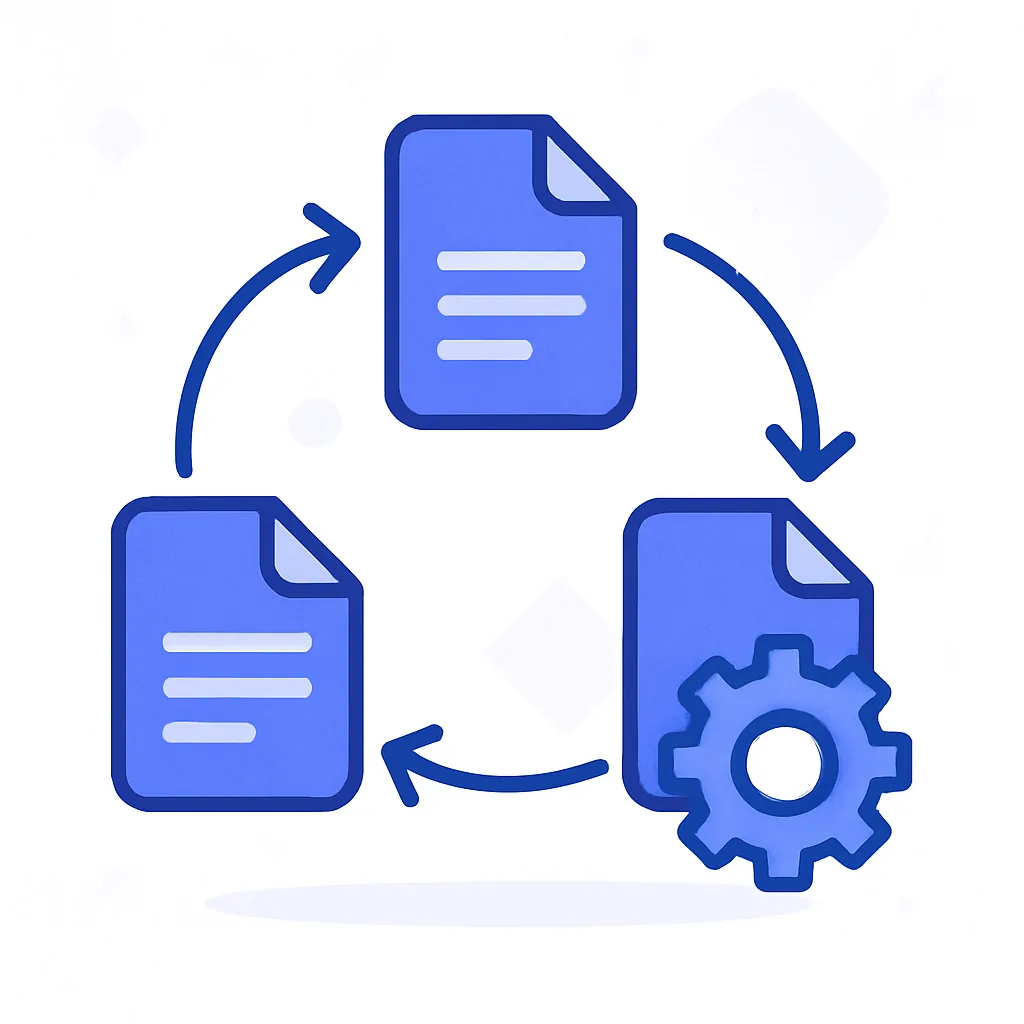
The 3-Statement Financial Model Explained
A three-statement model connects the income statement, balance sheet, and cash flow statement into a single linked model. Change one assumption, like a hire or a price, and it ripples correctly through all three. It is the standard format investors expect.…
-

Cash Flow Forecasting for SaaS: How to Build a Forecast (+ Example)
A cash flow forecast estimates the cash moving into and out of your business over a future period so you can see your bank balance before it happens. It is the single most important forecast for a startup because companies run out of cash, not profit.…
-

Pro Forma Financial Statements: A SaaS Founder's Guide
Pro forma financial statements are forward-looking versions of the three core financial statements, income statement, balance sheet, and cash flow statement, built on assumptions about the future rather than recorded history. Founders use them to raise capital, plan budgets, and test what-if scenarios.…
-

Implementing Effective Content Marketing Strategies for SaaS
Most SaaS content marketing fails on execution rather than strategy. This guide covers the operational side: how to find the gaps worth filling, set a cadence you can hold, run production with a small team, distribute what you publish, refresh what already ranks, and calculate what the whole program costs and when it pays back.…
-

Content Marketing for SaaS Growth: Concepts and Fundamentals
Content marketing works in SaaS for structural reasons: buying cycles are long, several people have to agree, and buyers do most of their research before they ever contact you. This guide covers why that makes content effective, how the four-stage funnel maps to content types, and how to measure the result honestly.…
-

Customer Acquisition Strategies for Early-stage SaaS Startup
Early-stage customer acquisition fails for two reasons: scaling before product-market fit, and spending without knowing what a customer is worth. This guide covers the order to do things in, how to calculate the CAC your model can support, how to pick and test one channel properly, and the specific signals that say you are ready to spend more.…
-

Understanding Customer Health Score: Guide for SaaS Founders
In today’s SaaS landscape, keeping customers happy and preventing them from leaving your platform is just as important as acquiring new ones. This article will dive deep into Customer Health Score (CHS) – a powerful metric that helps you understand how likely your customers are to stick around, grow their usage, or potentially leave your…
-

Account Expansion Rate: Growth Beyond Customer Acquisition
In this comprehensive guide, we’ll explore Account Expansion Rate, a key metric for SaaS companies . You’ll learn why this metric matters, how to calculate it, and most importantly, how to improve it. We’ll use real examples and practical scenarios to help you understand and apply these concepts to your SaaS business. What…
-

Case Studies: A Tool to Boost Your SaaS Sales and Marketing
Case studies are the second best-performing content format in B2B, behind only video. This guide covers how to pick the right customer, run the interview, get numbers a prospect can map onto their own business, handle confidentiality, and calculate whether your case study program is worth what it costs to run.…
-

SaaS Pricing Models & Strategy: How to Price (and Model) Your SaaS
In this article, we’ll explore the fundamentals of SaaS pricing and examine the most common pricing models used by successful SaaS companies. Understanding these basics will help you make informed decisions about your own product’s pricing strategy. Understanding SaaS Pricing Fundamentals A SaaS pricing strategy is more than just picking a number – it’s a…
-

Customer Personas: B2B and B2C Differences That Matter
This comprehensive guide explores the distinct characteristics and approaches to creating customer personas for B2B and B2C businesses. You’ll learn how to develop effective personas for each business model, understand key differences in approach, and get practical templates and examples. Whether you’re running a B2B software company or a B2C e-commerce platform, this guide will…
-

User Experience in SaaS: A Comprehensive Guide for Founders
In this comprehensive guide, we’ll explore what makes an exceptional user experience (UX) in SaaS products, why it matters for your business success, and how to implement UX strategies effectively. Whether you’re building your first SaaS product or improving an existing one, this guide will help you create experiences that delight your users and drive…
-

ACV (Annual Contract Value): Meaning, Formula & Benchmarks
Are you trying to understand how much revenue your SaaS business generates from contracts on an annual basis? Annual Contract Value (ACV) is your answer. In this comprehensive guide, we’ll explore everything you need to know about ACV – from basic definitions to practical applications and industry benchmarks. Whether you’re a first-time founder or scaling…
-

What is Sales Development Representative (SDR)?
Quick Overview: In this article, we’ll explore the role of a Sales Development Representative (SDR), a key position in modern business sales teams . We’ll cover everything from basic responsibilities to career growth opportunities, helping you understand whether this could be your career path or how SDRs can benefit your business. Whether you’re considering becoming…
-

CSAT (Customer Satisfaction Score): Formula & Benchmarks
Introduction In today’s competitive business landscape, having satisfied customers isn’t just nice to have – it’s essential for survival. Studies show that acquiring a new customer costs five times more than keeping an existing one, and satisfied customers are 3.5 times more likely to repurchase and 5 times more likely to recommend your business to…
-

Business Scalability: What It Is, Examples & How to Achieve It
What Is Scalability in Business? Imagine a bakery that currently serves 100 customers daily. If that bakery is scalable, it can handle serving 1,000 customers without major problems or massive cost increases. That’s scalability – the ability of a business to grow bigger without breaking down or losing money. A scalable business can handle more…
-

Average Customer Life (ACL) in SaaS: Formula & Benchmarks
What is Average Customer Life (ACL) in SaaS? Think of Average Customer Life (ACL) like measuring how long customers typically stick around and keep using your software service. It’s basically asking: “Once someone becomes your customer, how many months or years do they usually stay?” Definition of Average Customer Life (ACL) Average Customer Life (ACL)…
-

Canned Responses: Examples, Templates & Meaning
What is a Canned Response? A canned response (also known as a templated response or saved reply) is a pre-written reply or message that you can use repeatedly to answer common questions or respond to recurring situations. How Canned Responses Work Imagine managing a customer service team. Instead of typing “ Thank you for contacting…
-

Month over Month (MoM) Growth Rate
What is Month over Month (MoM) Growth Rate? Have you ever wondered how businesses track their progress from one month to the next? That’s where Month over Month (MoM) Growth Rate comes in. It’s a simple way to measure how much something grows or shrinks compared to the previous month. Definition Month over Month (MoM)…
-

Monthly Churn Rate
What’s Monthly Churn Rate? Remember playing with water in a bucket that had a small hole? Monthly Churn Rate (MCR) is like measuring how much water you’re losing each month. But instead of water, we’re talking about customers who wave goodbye to your product. The Formula for Monthly Churn Rate Here’s how to calculate it:…
-

Deferred Value
What is Deferred Value? Imagine you’re building an app. Right now, it has zero users and makes zero money. But you believe it has massive potential in the future. That’s deferred value. The “Instagram Effect” Remember Instagram? When Facebook bought it for $1 billion in 2012, it had: Zero revenue 13 employees Just an app…
-

Gross Churn Rate: Formula, Benchmarks & vs Net Churn
Gross churn rate measures the customers or revenue you lose in a period, regardless of new additions. The formula is Lost Customers ÷ Starting Customers × 100. Unlike net churn, it ignores expansion, a pure measure of loss.…
-

Startup Valuation
The Basics of Valuation Ever wondered how Instagram was worth $1 billion when Facebook bought it, even though it wasn’t making any money? Welcome to the fascinating world of startup valuation, where potential matters more than current profits . Common Valuation Methods 1. Revenue Multiples The simplest method: taking your annual revenue and multiplying it…
-

Enterprise Business
What’s Enterprise Business? Imagine your five-person startup that makes a cool project management app suddenly grew into Microsoft. That’s basically what enterprise business is – it’s what happens when a business becomes so big it needs an HR department just to manage its other HR departments. Definition Enterprise business typically refers to large organizations that…
-

Essential SaaS Metrics
Why SaaS Metrics Matter Software as a Service (SaaS) businesses operate differently from traditional companies. Instead of one-time sales, they rely on recurring revenue and long-term customer relationships. While there are dozens of metrics you could track in a SaaS business, we’ll focus on some of the most crucial ones that help understand business health…
-

Lead Magnets
What is a Lead Magnet? In simple terms, a lead magnet is something valuable you give away for free in exchange for someone’s contact information, usually their email address. Think of a lead magnet like a free sample at the grocery store. Just as those tasty samples make you more likely to buy the product,…
-

Lead Generation
What is Lead Generation? Lead generation is the process of attracting and converting interested people into potential customers. Think of it as filling your sales pipeline with people who might want to buy your product or service. Instead of waiting for customers to find you, lead generation actively seeks out and engages potential buyers. Understanding…
-

ARPPU: Average Revenue Per Paying User
What is ARPPU? ARPPU measures how much revenue you generate from each paying user. Unlike ARPU (Average Revenue Per User) , ARPPU only considers users who actually pay, giving a clearer picture of customer value. How to Calculate ARPPU Basic Formula ARPPU = Total Revenue ÷ Number of Paying Users Example Calculation A SaaS company…
-

Concentration Risk
What is Concentration Risk? Concentration risk occurs when a business depends too heavily on a single factor: One major customer One key supplier One revenue stream One geographic location One product line Imagine putting all your eggs in one basket – that’s concentration risk in its simplest form. Let’s explore how this risk affects businesses…
-

Feature Adoption Rate: Formula, Benchmarks & How to Improve It
What is Feature Adoption Rate? Feature Adoption Rate measures the percentage of users who actively use a specific feature after its release. This metric shows whether users find value in new features and helps guide product development decisions. How to Calculate Feature Adoption The basic formula for fature aadoption rate is straightforward:…
-

Compounded Monthly Growth Rate (CMGR)
What is CMGR? Compounded Monthly Growth Rate (CMGR) measures your consistent monthly growth rate, assuming growth compounds each month. It’s particularly useful for startups and SaaS companies to understand their true growth pace. Why CMGR Matters Shows consistent growth pace Better than simple averages ( see explanations further in the article ) Accounts for compounding…
-

ARPU (Average Revenue Per User): Meaning, Formula & Benchmarks
What is ARPU? Average Revenue Per User (ARPU) measures how much revenue a business generates from each user, including both paying and non-paying users. It’s a key metric for understanding business health and growth potential. Basic Formula and Example ARPU = Total Revenue ÷ Total Number of Users Simple Example: Monthly revenue: $10,000 Total users:…
-

Outbound Marketing
What is Outbound Marketing? Simple Definition: Outbound marketing is when a company initiates contact with potential customers through advertising and promotional messages. It’s like reaching out to shake someone’s hand instead of waiting for them to approach you. Common Types of Outbound Marketing Traditional Media TV commercials Radio ads Print advertising Billboard advertising Direct Communication…
-

Inbound Marketing
What is Inbound Marketing? Simple Definition: Inbound marketing is a strategy that attracts customers by creating valuable content and experiences tailored to them. Instead of interrupting people with your message, you help them find you when they need you. Inbound vs. Outbound Marketing Outbound Marketing (Traditional) TV commercials Cold calling Print ads Billboard advertising Unsolicited…
-

TAM, SAM, and SOM: Meaning, Formulas & How to Calculate
What Are TAM, SAM, and SOM? Think of these metrics as three concentric circles, each getting smaller and more focused: TAM (Total Addressable Market) The entire possible market for your product Everyone who could theoretically use your product Your “dream big” number SAM (Serviceable Addressable Market) The portion of TAM you can actually reach People…
-

Revenue vs Income vs Profit: The Key Differences
Revenue, Income, and Profit: Understanding the Differences Confused about financial terms? Let’s break down the differences between revenue, income, and profit using simple examples and clear explanations. Quick Overview Think of a lemonade stand to understand these terms: Revenue : All the money you collect from selling lemonade Income: Money you receive from various sources…
-

SEO
What is SEO and Why Does it Matter? Search Engine Optimization (SEO) is like making your website easier to find in the vast ocean of the internet. When someone searches for something on Google, the search engine looks through millions of websites to find the most relevant and helpful ones. Think of it like organizing…
-

Market Penetration: Definition, Formula & Strategies
Market penetration is the percentage of a target market a company or product has captured. The formula is Current Customers ÷ Total Target Market × 100. It shows how much of your potential market you've actually reached, and how much room is left.…
-

DAU
What is DAU? Simple Definition: Daily Active Users (DAU) is the number of unique users who engage with a product or service during a 24-hour period. Key Points: Counts each user only once per day Usually measured from midnight to midnight Requires clear definition of “active” Why DAU Matters Immediate Feedback Shows daily product health…
-

DAU/MAU Ratio: Formula, Benchmarks & How to Improve It
What is the DAU/MAU Ratio? Simple Definition: The DAU/MAU ratio compares your Daily Active Users (DAU) to your Monthly Active Users (MAU). It shows what percentage of your monthly users engage with your product daily. Formula: DAU/MAU Ratio = Daily Active Users ÷ Monthly Active Users Example: If your app has: 1,000 daily active users…
-

Gross Billings
What are Gross Billings? Simple Definition: Gross billings are the total amount of money a company bills its customers before any deductions, discounts, or adjustments are made. Think of it as the “full price” total of everything a company has sold or provided. Real-World Example: Imagine you’re running a small graphic design business. In one…
-

Key Performance Indicator (KPI)
What is a KPI? Definition of KPI: A Key Performance Indicator (KPI) is a quantifiable measure used to evaluate the success of an organization, employee, or project in meeting objectives for performance. KPI In Simple Terms: Think of KPIs as your business’s report card. Just like how your grades show how well you’re doing in…
-

Conversion Rate Optimization (CRO)
What is Conversion Rate Optimization (CRO)? Conversion Rate Optimization (CRO) is the process of increasing the percentage of users who take a desired action on your website or app. Think of it like improving a store’s layout to get more people to buy! 🛍️ Common Conversions Include: Making a purchase Signing up for a trial…
-

Customer Churn Prediction
What is Customer Churn Prediction? Customer churn prediction is a process of identifying which customers are likely to stop using your product or service before they actually leave. Think of it as an early warning system for your business! 🔍 Key elements include: Analyzing customer behavior Monitoring usage patterns Tracking engagement levels Identifying risk signals…
-

Qualified Leads and Lead Scoring
What is a Qualified Lead? A qualified lead is a potential customer who’s more likely to buy from you based on specific criteria. Think of it like a dating app match that actually fits your preferences! 💫👆 Companies with a structured lead qualification process generate 2x more sales-ready leads than those without one! Types of…
-

Lead Velocity Rate (LVR)
What is Lead Velocity Rate? Lead Velocity Rate (LVR) measures how fast your qualified leads are growing month over month. Think of it like your sales pipeline’s speedometer! 🏎️👆 LVR is considered one of the best predictive metrics for future revenue because it shows growth momentum 3-6 months before it appears in your sales numbers!…
-

Customer Data: The 4 Types, Examples & How to Use It
Customer data is all the information you collect about your customers throughout their journey, who they are, how they behave, what they buy, how they interact, and what they prefer. It falls into four types and is sourced as first, second, third, or zero-party data.…
-

What Is a Loyalty Program? Types, Examples & Benefits
What is a Loyalty Program? A loyalty program rewards customers for repeated business with your company. Think of it as giving your best customers VIP treatment. These programs help: Increase customer retention Boost repeat purchases Gather customer data Create emotional connections Drive referrals naturally 👆 By the way, it costs 5-25x more to acquire a…
-

Market Segmentation
What Is Market Segmentation? Market segmentation is dividing your potential market into distinct groups based on specific characteristics. Market segmentation helps you: Create more targeted products Develop focused marketing messages Set appropriate pricing Choose effective distribution channels Design relevant promotions Identify most profitable segments Allocate marketing budgets efficiently Understand competitive advantages 👆 By the way,…
-

Customer Segmentation
What is Customer Segmentation? Customer segmentation is the process of dividing your customers into groups based on shared characteristics. 👆 By the way, companies that excel at customer segmentation achieve 20% higher customer lifetime value than those that don’t. Just as your customer journey map tracks the path, segmentation helps you understand who’s taking that…
-

Customer Journey Map
What is a Customer Journey Map? A customer journey map is like a road map showing every interaction between your customer and your business. Just as the marketing mix organizes your marketing elements, a journey map organizes your customer touchpoints. Key Components of a Customer Journey Map Customer stages Touchpoints Actions Emotions Pain points 👆…
-

Customer Feedback Loop
What is the Customer Feedback Loop? A customer feedback loop is a systematic process of collecting, analyzing, and acting on customer input to improve your product or service. 👆 By the way, companies that excel at customer feedback loops are 2.5x more likely to have higher customer retention rates . How the Loop Works Collect…
-

Referral Program
What is a Referral Program? A referral program is a systematic way of getting your existing customers to recommend your product or service to others. Think of it as turning your happy customers into your marketing team. 👆 By the way, an interesting fact: Referred customers are 4x more likely to refer others to your…
-

User-Generated Content
What is User-Generated Content? UGC is any content created and shared by users of a brand or platform rather than the brand itself. Think Instagram posts, product reviews, or TikTok videos about your product. 📱 👆 By the way, UGC generates 6.9x higher engagement than brand-created content. Types of User-Generated Content Social Media Content 📱…
-

Marketing Funnel
What is a Marketing Funnel? A marketing funnel represents the customer journey from awareness to purchase. Think of it as a path that leads customers from discovering your product to buying it. By the way, E. St. Elmo Lewis developed the first marketing funnel concept in 1898, creating the AIDA model: Attention, Interest, Desire, Action.…
-

Minimum Viable Product (MVP)
What is MVP? An MVP is the simplest version of a product that can test your core business idea with real users. Key elements of MVP: Core functionality only Solves main problem Quick to market Testable with users Cost-efficient 👆 By the way, an interesting fact: The term “MVP” was coined by Frank Robinson in…
-

Economies of Scale: Definition, Types & Examples
What Are Economies of Scale? Economies of scale occur when companies reduce costs per unit as they produce more. 👆 By the way, an interesting fact: Henry Ford revolutionized economies of scale in 1913 with the assembly line, reducing the time to build a car from 12 hours to 2.5 hours. Types of Economies of…
-
Free Trial Conversion Rate: Formula, Benchmarks & How to Improve
What Is Free Trial Conversion Rate? Free Trial Conversion Rate measures the percentage of free trial users who become paying customers. It’s a key metric for SaaS companies offering trial periods. Formula for Free Trial Conversion Rate Trial Conversion Rate = (Number of Trial Users Who Convert to Paid / Total Number of Trial Users)…
-

What Is a Free Trial? Meaning, Examples & Best Practices
What Is Free Trial? A free trial is a time-limited period where users get full access to a product’s premium features before deciding to purchase. Think of it like test-driving a car before buying. 🚗 Key characteristics: Full product access Time-limited (usually 7-30 days) All premium features available Clear deadline No long-term commitment 👆 By…
-

Freemium: Definition, Examples & vs Free Trial
Freemium is a business model offering a basic version of a product free forever while charging for advanced features. It lowers the barrier to entry and drives user acquisition, used by Spotify, Dropbox, and LinkedIn, unlike a time-limited free trial.…
-

Vertical SaaS: Definition, Examples & vs Horizontal SaaS
Vertical SaaS is software designed for a single industry or niche, like Epic for healthcare or Procore for construction. It trades a smaller market for deep specialization, higher retention, and stronger pricing power versus broad horizontal SaaS.…
-

Horizontal SaaS
What is Horizontal SaaS? Horizontal SaaS refers to software that can be used by any business, regardless of industry. Think of it as the “one-size-fits-many” approach to software. Key characteristics: Industry-agnostic solutions Broad market appeal General business functions Wide user base Standardized features 👆 By the way, an interesting fact: The term “horizontal” in business…
-

Value Proposition: Definition, Examples & How to Write One
A value proposition is a clear statement of how your product solves a customer's problem, the benefits it delivers, and why they should choose you over competitors. It's your product's elevator pitch.…
-

Engagement Loop
What is an Engagement Loop? An engagement loop is a cycle of actions and rewards designed into a product that encourages users to engage repeatedly. It’s like a continuous feedback cycle where each action leads to a reward, which motivates more actions. 🔄 What makes it work: Triggers that prompt action Clear user actions Rewarding…
-

Product-Led Growth (PLG): Definition, Examples & vs Sales-Led
Product-led growth (PLG) is a go-to-market strategy where the product itself drives acquisition, conversion, and expansion, letting users try and adopt it with little or no sales involvement. Used by Slack, Zoom, Dropbox, and Canva.…
-

Product-Market Fit
What is Product-Market Fit? Product-Market Fit (PMF) means creating something people want so much they’re telling others about it! Think of it as the perfect match between your product and your customers’ needs 💝 It means: Your product solves a real problem Customers love using it They’re willing to pay for it They recommend it…
-

Bootstrapping
What Is Bootstrapping? Bootstrapping means building a company using your own resources, without external funding, like angel investors or venture capitalists etc. Think of it as being your own investor! 💪 What bootstrappers typically use: Personal savings Cash flow from sales Credit cards Friends & family loans Side gig income 👆 By the way, an…
-

Venture Capitalist: What They Do & How They Make Money
A venture capitalist (VC) is a professional investor who manages a fund of other people's money and invests it in high-growth startups. VCs make money through management fees and carried interest, the '2 and 20' model, and take active roles like board seats.…
-

Angel Investor: Definition, Examples & vs Venture Capital
An angel investor is a wealthy individual who invests their own money in early-stage startups in exchange for equity, typically $10K–$500K plus mentorship and connections. Unlike VCs, angels use personal funds, invest earlier, and decide faster.…
-

Accounts Receivable (AR): Definition, Formula & vs Payable
Accounts receivable (AR) is money customers owe you for products or services already delivered but not yet paid for. It's a current asset on the balance sheet, the opposite of accounts payable (AP).…
-

Net Revenue Retention (NRR)
What is Net Revenue Retention (NRR) in SaaS? Net Revenue Retention measures how much recurring revenue you keep from existing customers over time, including expansions, upgrades, downgrades, and cancellations. It is also called Net Dollar Retention (NDR). The blended private-SaaS median sits near 101%, but that number hides a wide segment split.…
-

SaaS Gross Margin: Formula, Benchmarks & How to Calculate
SaaS gross margin is the percentage of revenue left after the direct costs of delivering your software, hosting, support, and infrastructure. The formula is ((Revenue − COGS) ÷ Revenue) × 100. Best-in-class SaaS exceeds 80%.…
-

Free Cash Flow
What is Free Cash Flow? Free Cash Flow (FCF) is the actual cash a company has left after paying for everything it needs to maintain and grow its business. It shows: How much cash is actually available Ability to fund growth Financial flexibility True operational efficiency 👆 By the way, an interesting fact: Warren Buffett…
-

SaaS Rule of 40
The SaaS Rule of 40 says a healthy software company's growth rate plus profit margin should add up to 40% or more. It balances growth against profitability, you can hit it by growing fast, being profitable, or anything in between.…
-

SaaS Magic Number
The SaaS Magic Number measures how efficiently your sales and marketing spend turns into new recurring revenue. The formula is (Net New ARR ÷ Prior-Quarter S&M Spend). Above 0.75 signals efficient, scalable growth.…
-

SaaS Quick Ratio
What is SaaS Quick Ratio? SaaS Quick Ratio measures how much a company’s revenue is growing compared to its losses. It answers the question: “For every dollar of lost revenue, how many dollars of new revenue are we generating?” How to Calculate SaaS Quick Ratio? The Formula for SaaS Quick Ratio SaaS Quick Ratio =…
-

Upsell Rate
What is Upsell Rate? Upsell rate measures how successfully you convince existing customers to buy more expensive products or upgrades . It shows: Effectiveness of upgrade offers Customer satisfaction with current products Growth potential from existing customers Success of your value ladder 👆 By the way, an interesting fact: Studies show that the probability of…
-

Renewal Rate
What is Customer Renewal Rate? Renewal rate is the percentage of customers who extend their subscriptions or contracts when they expire. It tells you: How many customers actively choose to stay The strength of your customer relationships The effectiveness of your product/service Customer satisfaction levels 👆 By the way, an interesting fact: Studies show that…
-

CAC Payback Period: Formula, Calculation & Benchmarks
CAC payback period is the time it takes to recover the cost of acquiring a customer. The formula is CAC ÷ (MRR × Gross Margin). Most SaaS aims to recover CAC within 12 months.…
-

Startup: Definition, Key Traits & Examples
A startup is a young company designed for rapid, scalable growth, usually innovation-driven, often tech-oriented, and typically seeking funding. Unlike a traditional small business, a startup aims to disrupt a market and scale quickly.…
-
Inventory: Definition, Types & Examples
Inventory is everything a business holds to sell or use in making products, raw materials, work-in-progress, finished goods, MRO supplies, and safety stock. It's a current asset on the balance sheet.…
-

Customer Retention Rate: Formula, Benchmarks & How to Calculate
What Is Retention Rate? Retention rate is the percentage of customers who stick around over a specific period. It provides insights into: How many customers stay loyal The strength of customer relationships The effectiveness of customer success efforts The overall health of your business Fun Fact: Studies reveal that increasing customer retention by just 5%…
-

Customer Support and Success
What is Customer Support? Customer support is like being a problem-solving superhero for your customers! 🦸♂️ It’s the team that jumps in when customers need help, have questions, or run into issues. Think of them as your company’s emergency response team. Customer support typically includes: Answering customer questions Solving technical problems Handling complaints Processing returns…
-

Customer Experience (CX)
What Is Customer Experience? Customer Experience (CX) is every interaction a customer has with your brand – from browsing your website to using your product and talking to support . It’s the overall journey customers take, filled with emotions and impressions. 🗺️ Fun Fact: The focus on customer experience gained momentum in the 1990s when…
-

Customer Onboarding
What Is Customer Onboarding? Customer onboarding is the process of familiarizing new customers with your product or service and helping them achieve their first “wow” moment. Think of it as teaching someone to ride a bike – you guide them until they can pedal confidently on their own. Fun Fact: The term “onboarding” originated in…
-

What Is a Stakeholder? Types, Examples & vs Shareholder
A stakeholder is anyone who has a stake in how a business performs, affected by or able to influence it. Stakeholders include employees, customers, suppliers, investors, and communities. Shareholders are one type of stakeholder.…
-

E-commerce: Definition, Types, Revenue Models & Metrics
E-commerce (electronic commerce) is the buying and selling of goods or services over the internet. The main types are B2C, B2B, C2C, and C2B, and success is measured by conversion rate, average order value, CAC, and customer lifetime value.…
-

Upsell vs Cross-Sell: Difference, Examples & Strategies
Upselling encourages a customer to buy a more expensive or upgraded version of what they're buying; cross-selling suggests related, complementary products. Both raise average order value and customer lifetime value.…
-

SaaS Burn Rate & Cash Runway: The Complete Guide (2026)
Cash runway is how many months a company can operate before running out of cash. Learn the formula (cash ÷ net burn), 2026 benchmarks by stage, the burn multiple, and when to raise.…
-

Net Burn Rate
What Is Net Burn Rate? Net Burn Rate represents how much money a company is losing (or gaining) each month after considering both expenses and revenue . It’s like your actual cash flow scorecard, showing the real rate of cash depletion. What’s Included in Net Burn Rate? 💼 All Expenses ( Gross Burn ): Operating…
-

Gross Burn Rate
What Is Gross Burn Rate? Gross Burn Rate represents the total amount of money a company spends each month before factoring in any revenue . What’s Included in Gross Burn Rate? 💼 Operating Expenses : Employee Costs: Salaries and wages Benefits and payroll taxes Contractor payments Training and development Facility Costs: Rent Utilities Maintenance Technology…
-

Cash Burn Rate: Formula, Gross vs Net & How to Calculate
Cash burn rate is how much cash a company spends per month. Gross burn = total monthly expenses; net burn = expenses minus revenue. Divide your cash balance by net burn to get runway.…
-

Assets and Liabilities
What Are Assets and Liabilities? Assets are everything a business owns or controls that has value. Liabilities are everything a business owes to others. It’s like comparing your belongings (assets) to your debts (liabilities) to understand your financial position. What’s Included in Assets and Liabilities? Assets Current Assets: Cash Inventory Accounts receivable Short-term investments Prepaid…
-

Equity: Definition, Formula & Types (Owner's & Shareholders')
In business and accounting, equity is the value left for owners after subtracting liabilities from assets. The formula is Equity = Total Assets − Total Liabilities. It represents the owners' stake in the company.…
-

Liquidity
What Is Liquidity? Liquidity represents how easily assets can be converted into cash without significantly losing value. It’s like having different types of money: cash in hand, funds in a checking account, or money tied up in long-term deposits. What’s Included in Liquidity? Liquidity typically includes assets grouped by their ease of conversion into cash:…
-

Cumulative Gain (Loss)
What Is Cumulative Gain (Loss)? Cumulative Gain (Loss) represents your total profit or loss picture over time. It’s like keeping a running score of your financial performance, adding each new result to the previous total to see your overall progress. How to Track Cumulative Gain (Loss) Tracking cumulative gain (loss) involves these simple steps: Start…
-

Fundraising
What is Fundraising? Fundraising is the process of collecting money to finance your business initiatives. It’s how companies get the resources they need to grow, develop products, or expand into new markets. Types of Fundraising Equity Fundraising: Selling shares of your company Debt Fundraising: Taking loans or issuing bonds Grant Fundraising: Getting money that doesn’t…
-

Operating Cash Flow (OCF): Formula, Definition & Why It Matters
Operating cash flow (OCF) is the cash a business generates from its regular operations. It's calculated as Net Income + Non-cash Expenses ± Working Capital Changes. Unlike profit, it shows real cash moving through the business.…
-

Paid Media: Definition, Types, Examples & Benefits
Paid media is any marketing channel you pay for directly: search ads, social ads, display ads, and sponsored content. It's one of the three media types alongside owned media (your channels) and earned media (publicity you don't pay for).…
-

Influencer Marketing
What is Influencer Marketing? Influencer marketing is when brands collaborate with social media personalities (influencers) to promote products or services. Think of influencers as modern-day word-of-mouth advertisers, sharing brand messages with their engaged followers. Who is an Influencer? An influencer is someone with the ability to affect other people’s purchase decisions due to their: Knowledge…
-

Sponsored Content: Definition, Formats & Examples
Sponsored content is content a brand pays to publish on a media platform, blended with the platform's regular content and clearly labeled 'sponsored' or 'paid.' It builds trust and educates audiences without interrupting them like traditional ads.…
-

Display Ads: Formats, Types, Sizes & Key Metrics
Display ads are visual advertisements, banners, images, rich media, shown on websites and apps. The main formats are static, animated, and rich media, in standard sizes like 300x250 and 728x90, measured by impressions, CTR, CPC, and CPM.…
-

Transaction Fee: Definition, Types & How They Work
A transaction fee is a charge applied when processing a payment, moving money from one party to another. Card-processing fees typically run 1.5–3.5%, often structured as a percentage plus a fixed amount (e.g. 2.9% + $0.30).…
-

Bounce Rate
What is Bounce Rate? Bounce rate has two important meanings, depending on whether we’re talking about email marketing or website analytics: Email Bounce Rate The percentage of emails that couldn’t be delivered to their intended recipients. Email Bounce Rate = (Number of Bounced Emails / Number of Sent Emails) x 100 Website Bounce Rate The…
-

Unsubscribe Rate: Formula, Benchmarks & How to Reduce It
Unsubscribe rate is the percentage of recipients who opt out of your list after an email. The formula is (Unsubscribes ÷ Delivered emails) × 100. A healthy email unsubscribe rate is 0.1–0.5%; above 0.5% is a warning sign.…
-

Email Open Rate: Formula, Benchmarks & How to Improve It
Open rate is the percentage of email recipients who open a given email out of those it was delivered to. The formula is (Opens ÷ Delivered emails) × 100. A good email open rate is typically 15–25%, varying by industry.…
-

B2B2C (Business-to-Business-to-Consumer) Model
What is the B2B2C Model? B2B2C stands for Business-to-Business-to-Consumer. It’s a model where a business provides products or services to another business but also maintains a direct relationship with the end consumer. Common Examples of B2B2C E-commerce platforms partnering with retailers Insurance companies working through employers Software platforms powering customer-facing services Payment processors enabling online…
-

B2C (Business-to-Consumer): Model, Examples & vs B2B
What is the B2C Model? B2C stands for Business-to-Consumer, where companies sell products or services directly to individual consumers for personal use. Think of it as the friendly neighborhood store of the business world, but scaled up to potentially reach millions of customers. Common Types of B2C Businesses Retail stores (both physical and online) Restaurants…
-

B2B (Business-to-Business): Model, Examples & vs B2C
What is the B2B Model? B2B stands for Business-to-Business, where companies sell products or services to other businesses rather than to individual consumers. Think of it as businesses being the backstage crew that helps other businesses put on their show. Common Types of B2B Businesses Software providers Manufacturing suppliers Professional services Office equipment vendors Business…
-

ROI (Return on Investment)
What Is ROI (Return on Investment)? ROI measures the profitability of an investment relative to its cost. Simply put, it tells you how much money you made (or lost) on an investment compared to how much you put in. It’s like asking, “For every dollar I invested, how many dollars did I get back?” How…
-

Click-Through Rate (CTR): Formula, Benchmarks & How to Calculate
Click-through rate (CTR) is the percentage of people who click a link or ad out of everyone who saw it. The formula is CTR = (Clicks ÷ Impressions) × 100. Average search-ad CTR is around 1.9%; email around 2.6%.…
-

Call to Action (CTA): Definition, Examples & Best Practices
A call to action (CTA) is any text or design element that prompts a user to take a specific next step, like 'Buy Now' or 'Start free trial.' It's the 'now what?' of your content, and it directly drives conversions.…
-

Cost per Click (CPC)
What Is Cost per Click? Cost per Click (CPC) is a digital advertising model where you pay each time a user clicks on your ad . It’s like paying for each person who walks into your store, rather than for a billboard that everyone sees but few act on. How to Calculate CPC The basic…
-

Cost Per Lead (CPL): Formula, Benchmarks & vs CPA
Cost per lead (CPL) measures how much it costs to generate one lead. The formula is Total Marketing Spend ÷ Leads Generated. A healthy funnel keeps CPL < CPA < customer lifetime value.…
-

A/B Testing: How It Works, Metrics & Best Practices
A/B testing (split testing) compares two versions of a webpage, email, or asset to see which performs better. You change one element, split traffic randomly, and measure which version wins on a clear metric like conversion rate.…
-

Trial
What Is a Trial? In business, a trial is a period during which a potential customer can use a product or service, usually for free or at a reduced cost, before deciding whether to become a paying customer. Common Types of Trials Free trials : Full access for a limited time 🕒 Freemium : Basic…
-

Channel Sales
What Is Channel Sales? Channel sales is a distribution model where a company sells its products or services through third-party partners, rather than (or in addition to) selling directly to customers. These partners form the company’s “sales channel.” Key Players in Channel Sales Resellers: Businesses that buy and sell products 🏪 Distributors: Intermediaries managing logistics…
-

Email Marketing
What Is Email Marketing? Email marketing is a digital marketing strategy that involves sending emails to a group of people to promote products, share news, or build relationships. It’s like having a direct line to your customers’ (or potential customers’) inboxes. Key Components of Email Marketing Building an email list: Collecting subscribers’ contact information 📋…
-

Conversion and Conversion Rate
What Is a Conversion? A conversion happens when a visitor to your website or app takes a desired action. Examples of a conversion could be: Making a purchase 🛒 Signing up for a newsletter ✉️ Downloading an e-book 📚 Filling out a contact form 📝 Creating an account 👤 Basically, any action that moves a…
-

R&D (Research and Development)
What Is R&D? R&D stands for Research and Development. It’s the process of creating new products, improving existing ones, or discovering new knowledge that can lead to future innovations. What Does R&D Include? Basic research: Expanding scientific knowledge Applied research: Solving specific problems Development: Creating new products or improving existing ones 👆 Fun fact: Some…
-

Bad Debt and Fraud
Understanding Bad Debt and Fraud Bad debt is money owed to a company that is unlikely to be paid. It’s like lending your umbrella to a friend on a rainy day and never seeing it again. 🌧️☂️ Fraud is when someone deliberately deceives you for financial gain. It’s like someone using a fake ID to…
-

CAGR (Compound Annual Growth Rate): Formula & How to Calculate
What Is CAGR? CAGR stands for Compound Annual Growth Rate. It’s a measure that tells you the rate at which an investment would have grown if it grew at a steady rate every year over a specific period. The Formula for CAGR CAGR = (Ending Value / Beginning Value)^(1/n) – 1 Where: Ending Value: The…
-

Amortization: Definition, Formula & Examples
Amortization has two meanings: spreading the cost of an intangible asset (like a patent) over its useful life, and spreading a loan's repayment over scheduled payments. The asset formula is (Cost − Residual Value) ÷ Useful Life.…
-

S&M (Sales and Marketing)
What Is S&M? S&M stands for Sales and Marketing. It’s the combination of activities a company undertakes to promote its products or services and convert interested parties into paying customers. Components of S&M Marketing: Brand management Advertising Public relations (PR) Market research Sales: Direct selling Account management Sales strategy Customer relationship management (CRM) 👆 Fun…
-

G&A Expenses: Meaning, Examples & How They Relate to SG&A
What Is G&A? G&A stands for General and Administrative expenses. These are the costs a company incurs to keep its daily operations running smoothly, regardless of its production or sales volume. Think of it as the oil that keeps the business machine humming along. Common G&A Expenses Executive salaries Rent and utilities Legal and accounting…
-

Depreciation: Definition, Methods & How to Calculate
Depreciation is the method of allocating the cost of a tangible asset over its useful life, instead of expensing it all at once. The most common method is straight-line: (Cost − Salvage Value) ÷ Useful Life.…
-

Balance Sheet
What Is a Balance Sheet? Think of a Balance Sheet as a financial snapshot of your business at a specific moment in time. It’s like a photo that captures what your company owns ( assets ), what it owes ( liabilities ), and what’s left over for the owners ( equity ). Let’s dive in…
-

Profit and Loss Statement (P&L): Example & How to Read It
A profit and loss statement (P&L), also called the income statement, shows how much a company earned or lost over a period. It lists revenue, subtracts COGS and operating expenses, and ends in net profit.…
-

Plan Downgrade
What Is a Plan Downgrade? A plan downgrade occurs when a customer moves from a higher-tier plan to a lower-tier plan, typically with fewer features, lower usage limits, or reduced support . While it might seem like bad news, understanding downgrades is crucial for managing your business effectively. 👆 Fun fact: Studies show that customers…
-

Plan Upgrade
What Is a Plan Upgrade? A plan upgrade occurs when a customer moves from a lower-tier plan to a higher-tier plan, typically with more features, higher usage limits, or better support . It’s a key driver of growth for many businesses, especially in the SaaS world. 👆 Fun fact: Some studies suggest that upgrades can…
-

Cohort Analysis: Definition, Example & How to Do It
Cohort analysis groups users who share a starting point (like signup month) and tracks how each group behaves over time. It reveals retention, churn, and lifetime-value patterns that aggregate metrics hide.…
-

Professional Services in SaaS
What Are Professional Services in SaaS? Professional Services in SaaS refer to the additional support , consulting, and customization services offered alongside a SaaS product. It’s like having a team of expert co-pilots to help you navigate and get the most out of your shiny new software jet! Why They Matter Understanding Professional Services in…
-

ARPA (Average Revenue Per Account): Formula & Benchmarks
ARPA (average revenue per account) tells you how much revenue you generate from each customer account on average. The formula is Total Revenue ÷ Number of Active Accounts. It guides pricing, forecasting, and upsell strategy.…
-

Channel Trials
What Are Channel Trials? Channel Trials refer to the number of product or service trials initiated through specific marketing channels. It’s like tracking which doors your guests are using to enter your party – are they coming through the front door (organic search), the side entrance (social media), or sneaking in through the window (…
-

Earned Traffic
What Is Earned Traffic? Earned traffic refers to visitors who come to your website or platform as a result of your brand’s reputation, content quality, or word-of-mouth marketing. Why Earned Traffic Matters Understanding and leveraging earned traffic is crucial because it helps you: Build sustainable, long-term growth Establish credibility and trust with your audience Reduce…
-

Paid Traffic
What Is Paid Traffic? Paid traffic refers to visitors who come to your website or landing page as a result of paid advertising efforts. It’s like putting up billboards on the internet superhighway, but you only pay when someone takes the exit to your site. Why Paid Traffic Matters Understanding and leveraging paid traffic is…
-

Cumulative Trials
What Is Cumulative Trials? Cumulative Trials represents the total number of users who have started a trial of your product or service from the beginning of your business up to a specific point in time. The Formula for Cumulative Trials🧮 Cumulative Trials = Sum of all trial starts from day 1 to the present 👆…
-

LTV:CAC Ratio: Formula, Benchmarks & How to Calculate
The LTV:CAC ratio divides customer Lifetime Value by Customer Acquisition Cost, how much value you get back for every dollar spent acquiring a customer. 3:1 is the healthy minimum; below 1:1 you lose money.…
-
CAC (Customer Acquisition Cost)
What Is CAC (Customer Acquisition Cost)? CAC , or Customer Acquisition Cost , represents the total cost of convincing a potential customer to buy your product or service. Basic Formula for CAC 🧮 CAC = Total Sales, Marketing , and Related Costs / Number of New Customers Acquired 👆 Fun fact: Studies show it can…
-

LTV (Customer Lifetime Value): Formula & How to Calculate
LTV (lifetime value), also called CLV, is the total revenue a customer is expected to generate over their entire relationship with your company. The formula is Average Purchase Value × Purchase Frequency × Customer Lifespan.…
-

Paid Marketing Leverage
What Is Paid Marketing Leverage? Paid Marketing Leverage measures how efficiently your paid marketing spending translates into revenue. Simply put, it’s the ratio between your revenue growth and your marketing spend growth over a specific period. The Formula for Paid Marketing Leverage 🔢 Paid Marketing Leverage = Change in Revenue / Change in Marketing Spend…
-

Marketing Leverage
What Is Marketing Leverage? Marketing leverage is your ability to generate outsized marketing results relative to your resource investment. Think of it as getting maximum impact from minimum input. Key Components of Marketing Leverage Marketing leverage typically comes from: Organic Growth Channels Word-of-mouth marketing Content marketing SEO Social media presence Community building Marketing Assets Brand…
-

MRR Churn
What is MRR Churn? MRR Churn ( Monthly Recurring Revenue Churn ) is a metric that measures the amount of revenue a company loses in a given month due to customers canceling or downgrading their subscriptions. It’s an important indicator of customer retention and the overall health of a subscription-based business. How to Calculate MRR…
-

MRR Expansion, %
What is MRR Expansion? MRR Expansion % ( Monthly Recurring Revenue Expansion percentage) measures how much more money a company is making from its existing customers over time. This increase usually comes from customers upgrading their subscriptions, buying additional services, or using more of what the company offers. It helps show how well the company…
-

ARR (Annual Recurring Revenue)
What is ARR? ARR, or Annual Recurring Revenue, represents the total revenue a company expects to earn from its subscription services over a year, based on the current monthly recurring revenue (MRR) . Like MRR, it excludes one-time payments or non-recurring charges and focuses only on the revenue that repeats annually. ARR provides a clear…
-

MRR (Monthly Recurring Revenue)
What is MRR? MRR, or Monthly Recurring Revenue , is a metric used by subscription-based businesses to measure the predictable, recurring revenue they generate each month. It excludes one-time payments, such as setup fees or irregular charges, and focuses solely on the recurring revenue from subscriptions. MRR helps businesses track their financial health and growth…
-

EBITDA: Formula, Meaning & How to Calculate
EBITDA stands for Earnings Before Interest, Taxes, Depreciation, and Amortization. It measures profit from core operations before financing, tax, and non-cash charges. Formula: Net Income + Interest + Taxes + Depreciation + Amortization.…
-

EBIT (Earnings Before Interest and Taxes): Formula & Meaning
EBIT (earnings before interest and taxes) measures profit from a company's core operations, before financing and tax costs. The formula is Revenue − COGS − Operating Expenses. It's also called operating income.…
-

Total Profit (Net Income): Formula & How to Calculate
Total profit, also called net profit or net income, is what a company keeps after subtracting all expenses (COGS, operating costs, interest, and taxes) from revenue. It's the true bottom line of profitability.…
-
Cash Flow
What is Cash Flow? Cash Flow is about tracking the money that comes into and goes out of a business. It shows how much cash a company has and helps ensure there’s enough to pay bills and invest in growth. Types of Cash Flow Operating Cash Flow : This is the cash a company earns…
-

Expansion Revenue
What is Expansion Revenue? Expansion Revenue is the extra money a company makes from its existing customers as they spend more on its products or services. Unlike new revenue from new customers, expansion revenue comes from getting current customers to buy more or upgrade . What Expansion Revenue Includes Upselling : When current customers buy…
-

Gross Revenue: Definition, Formula & vs Net Revenue
Gross revenue is the total money a company earns from all sources before subtracting any expenses, returns, or discounts. It's the top line of the income statement, distinct from net revenue, which is after deductions.…
-

Margin: Types, Formulas & How to Calculate
In business, margin measures how much profit you keep as a percentage of revenue. The four main types are gross margin, operating margin, net margin, and contribution margin, each subtracting more costs from revenue.…
-

Gross Profit: Formula, How to Calculate & Examples
Gross profit is what's left from revenue after subtracting the cost of goods sold (COGS). The formula is Gross Profit = Revenue − COGS. It shows how efficiently a company produces and sells its products before operating expenses.…
-
Cost of Goods Sold (COGS): Formula & How to Calculate
Cost of Goods Sold (COGS) is the direct cost of producing the goods a company sells in a period. The formula is COGS = Beginning Inventory + Purchases − Ending Inventory. It's subtracted from revenue to get gross profit.…
-

Net Income: Formula & How to Calculate
Net income is a company's profit after all expenses, taxes, and interest are subtracted from total revenue. The formula is Net Income = Total Revenue − Total Expenses. It's the 'bottom line' of the income statement.…
-

SaaS Business Model
SaaS Business Model The SaaS (Software as a Service) business model is about providing software over the internet instead of through physical copies or local installs. Customers subscribe to the software, usually paying monthly or yearly, instead of buying it outright. SaaS Company A SaaS company makes and offers software applications online using cloud technology.…
-

Revenue
What is Revenue? Simple Definition: Revenue is the total amount of money a business earns from selling its main products or services before any expenses are subtracted. Also Known As: Top line Gross income Sales Turnover (in some countries) Types of Revenue 1. Operating Revenue Money earned from main business activities. Examples: Product sales for…
-
OPEX in SaaS Companies
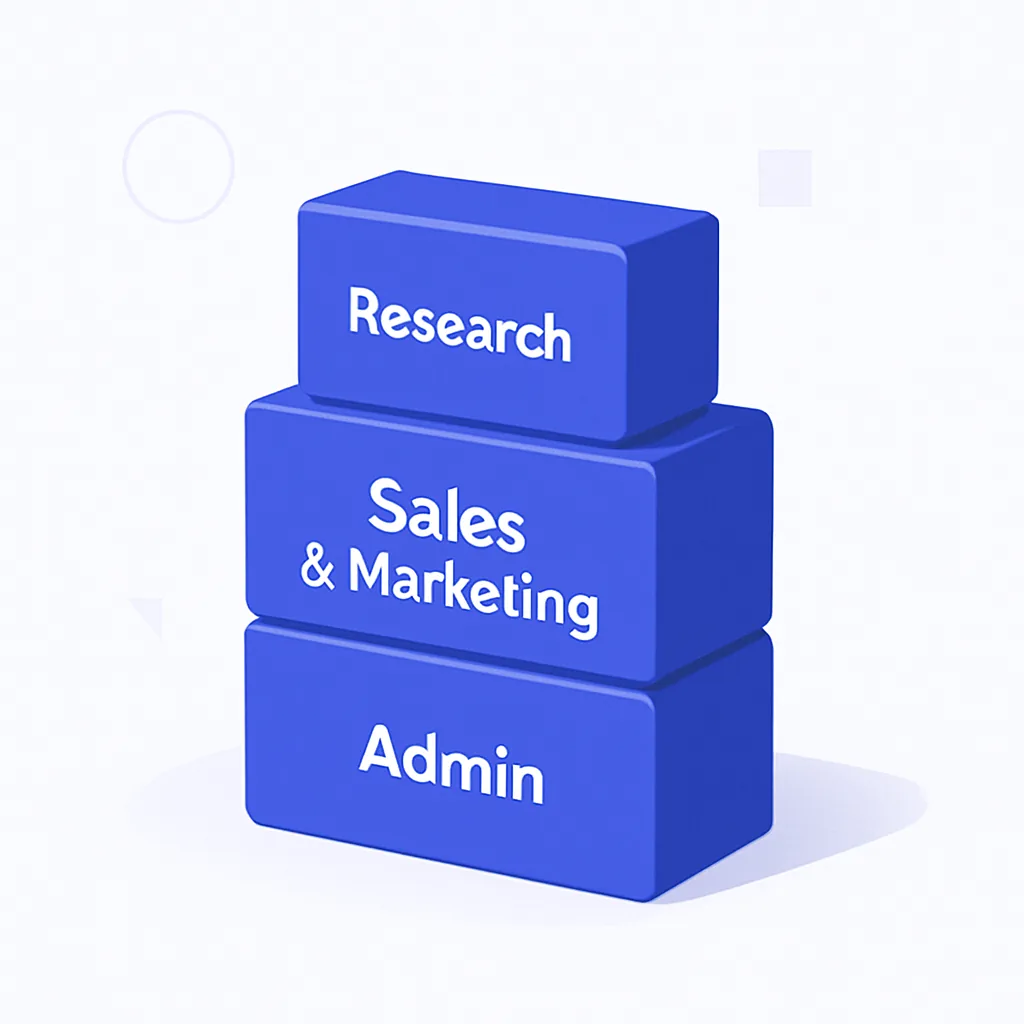
What is OPEX in SaaS Companies? Operating expenses (OPEX) in SaaS companies include ongoing costs that support daily operations and ensure the business runs efficiently. SaaS companies have unique OPEX due to their software-focused operations. Key OPEX Elements for SaaS Companies Server and Hosting Costs : SaaS companies incur significant expenses for cloud hosting, data…
-

OpEx (Operating Expenses): Definition, Examples & OpEx vs CapEx
Operating expenses (OpEx) are the ongoing, day-to-day costs of running a business, rent, salaries, utilities, marketing. Unlike CapEx (long-term assets), OpEx is expensed immediately on the income statement.…
-

Negative Churn Rate: Meaning, Formula & Example
A negative churn rate happens when expansion revenue from existing customers (upgrades, add-ons) exceeds the revenue lost to cancellations and downgrades. The result: revenue from your existing base grows even as some customers leave.…
-

Monthly Active Users (MAU): Meaning, Formula & Benchmarks
What is MAU? Simple Definition: Monthly Active Users (MAU) is a metric that counts the number of unique users who engage with a product or service within a 30-day period. Key Points: Counts each user only once, even if they use the product multiple times Typically measured over a calendar month Requires defining what “active”…
-

Deferred Revenue
Deferred Revenue in SaaS Deferred revenue is the amount a SaaS (Software as a Service) company has billed its customers but hasn’t yet counted as actual revenue. SaaS companies don’t recognize all the revenue immediately when they bill a customer. Instead, they spread it out over the duration of the customer contract. It’s like saying,…
-

CapEx (Capital Expenditure): Formula, Examples & How to Calculate
Capital expenditure (CapEx) is money a business spends to acquire or upgrade long-term assets like property, equipment, or software. It appears on the balance sheet and is calculated as PPE end − PPE start + depreciation.…
-
SaaS Bookings: Definition, Types & How to Calculate
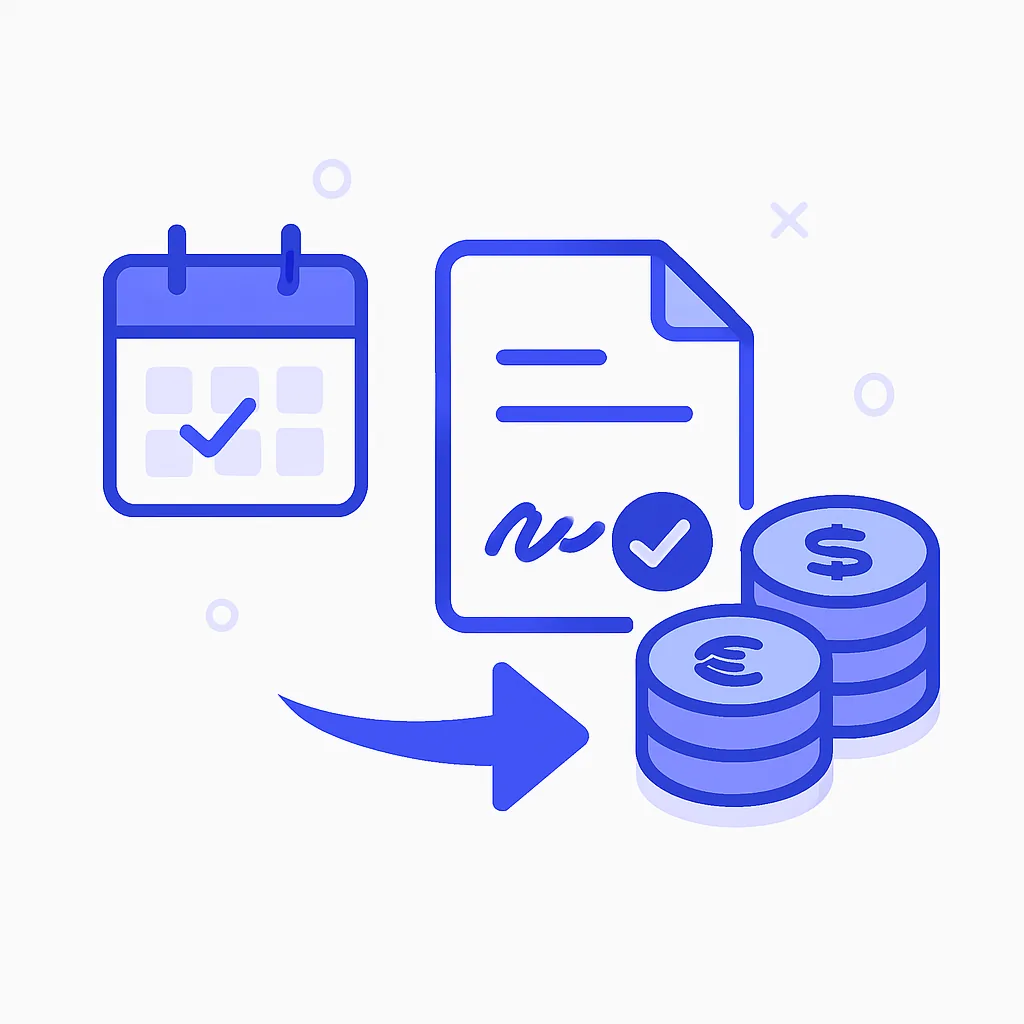
Bookings in SaaS Bookings in a SaaS (Software as a Service) business are the total value of all customer contracts signed or orders received in a specific period, no matter when the money from those deals will be collected. SaaS Bookings Example Imagine a SaaS company signs a 3-year contract with a customer for $1,000…
-

CAPEX in Software Development: A Guide for SaaS Founders
Picture this: you’ve just spent $200,000 building your SaaS platform’s core features. Your accountant asks whether to capitalize or expense it. You freeze. That single decision will cascade through your balance sheet, tax returns, and investor pitch deck for years. Many early-stage SaaS founders misclassify software development costs,…
-

SaaS Churn & Retention: Benchmarks, Formulas & How to Reduce Churn
Key Takeaways The churn rate shows the share of customers who stop using a company’s product or service in a certain period. High churn rates can lead to less revenue , higher costs to get new customers , and limits on growth. Low churn rates mean good customer loyalty and a solid business model. Different…