
Adlega Blog:
-
Key Performance Indicator (KPI)
What is a KPI? Definition of KPI: A Key Performance Indicator (KPI) is a quantifiable measure used to evaluate the success of an organization, employee, or project in meeting objectives for performance. KPI In Simple Terms: Think of KPIs as your business’s report card. Just like how your grades show how well you’re doing in…
-
Conversion Rate Optimization (CRO)
What is Conversion Rate Optimization (CRO)? Conversion Rate Optimization (CRO) is the process of increasing the percentage of users who take a desired action on your website or app. Think of it like improving a store’s layout to get more people to buy! 🛍️ Common Conversions Include: Making a purchase Signing up for a trial…
-
Customer Churn Prediction
What is Customer Churn Prediction? Customer churn prediction is a process of identifying which customers are likely to stop using your product or service before they actually leave. Think of it as an early warning system for your business! 🔍 Key elements include: Analyzing customer behavior Monitoring usage patterns Tracking engagement levels Identifying risk signals…
-
Qualified Leads and Lead Scoring
What is a Qualified Lead? A qualified lead is a potential customer who’s more likely to buy from you based on specific criteria. Think of it like a dating app match that actually fits your preferences! 💫👆 Companies with a structured lead qualification process generate 2x more sales-ready leads than those without one! Types of…
-
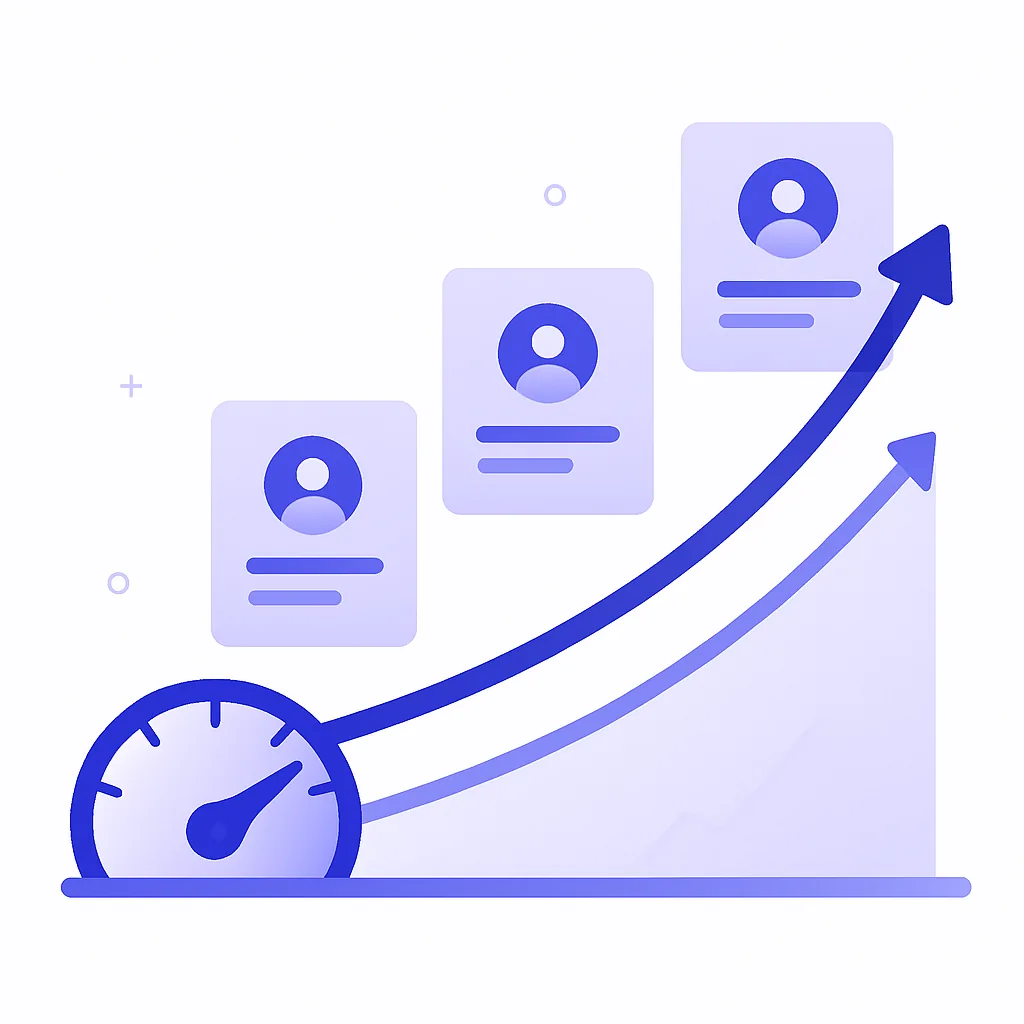
Lead Velocity Rate (LVR)
What is Lead Velocity Rate? Lead Velocity Rate (LVR) measures how fast your qualified leads are growing month over month. Think of it like your sales pipeline’s speedometer! 🏎️👆 LVR is considered one of the best predictive metrics for future revenue because it shows growth momentum 3-6 months before it appears in your sales numbers!…
-
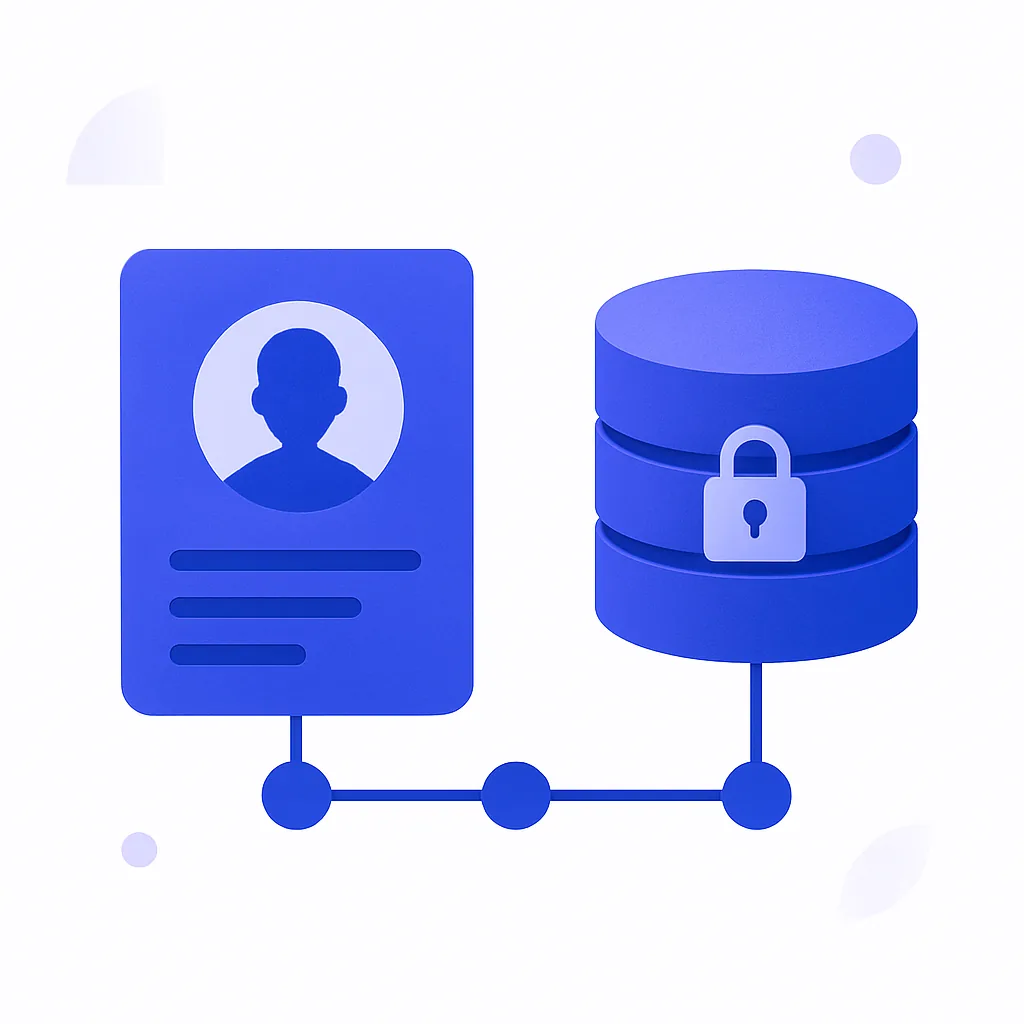
Customer Data: The 4 Types, Examples & How to Use It
Customer data is all the information you collect about your customers throughout their journey, who they are, how they behave, what they buy, how they interact, and what they prefer. It falls into four types and is sourced as first, second, third, or zero-party data.…
-
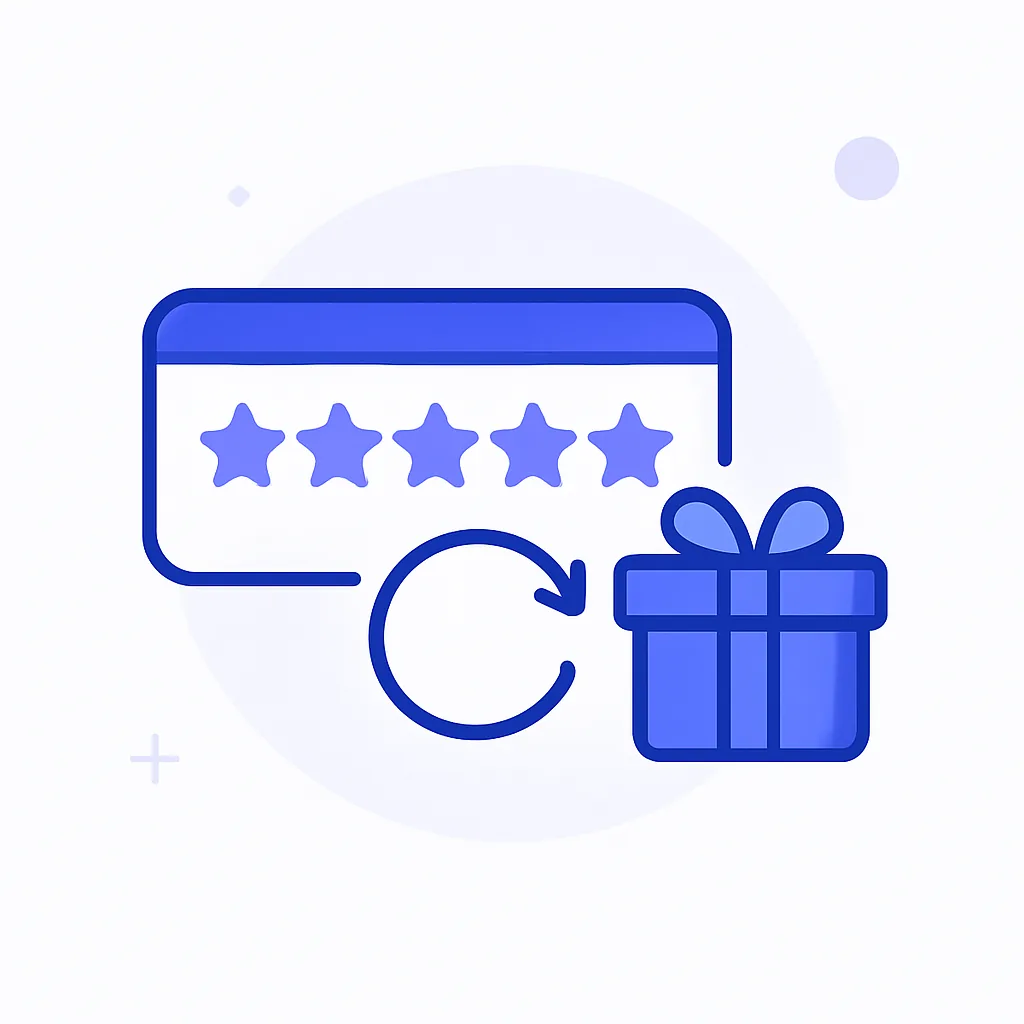
What Is a Loyalty Program? Types, Examples & Benefits
What is a Loyalty Program? A loyalty program rewards customers for repeated business with your company. Think of it as giving your best customers VIP treatment. These programs help: Increase customer retention Boost repeat purchases Gather customer data Create emotional connections Drive referrals naturally 👆 By the way, it costs 5-25x more to acquire a…
-
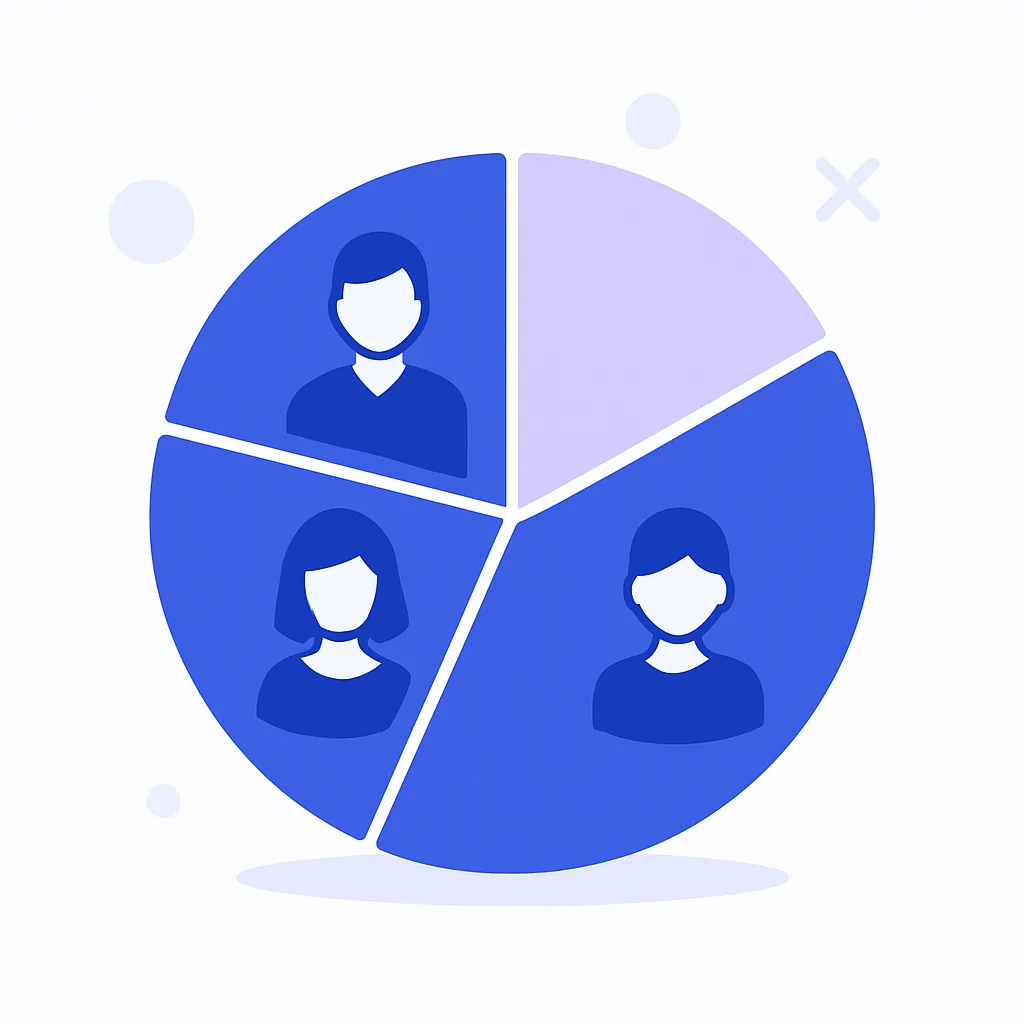
Market Segmentation
What Is Market Segmentation? Market segmentation is dividing your potential market into distinct groups based on specific characteristics. Market segmentation helps you: Create more targeted products Develop focused marketing messages Set appropriate pricing Choose effective distribution channels Design relevant promotions Identify most profitable segments Allocate marketing budgets efficiently Understand competitive advantages 👆 By the way,…
-
Customer Segmentation
What is Customer Segmentation? Customer segmentation is the process of dividing your customers into groups based on shared characteristics. 👆 By the way, companies that excel at customer segmentation achieve 20% higher customer lifetime value than those that don’t. Just as your customer journey map tracks the path, segmentation helps you understand who’s taking that…
-
Customer Journey Map
What is a Customer Journey Map? A customer journey map is like a road map showing every interaction between your customer and your business. Just as the marketing mix organizes your marketing elements, a journey map organizes your customer touchpoints. Key Components of a Customer Journey Map Customer stages Touchpoints Actions Emotions Pain points 👆…
-
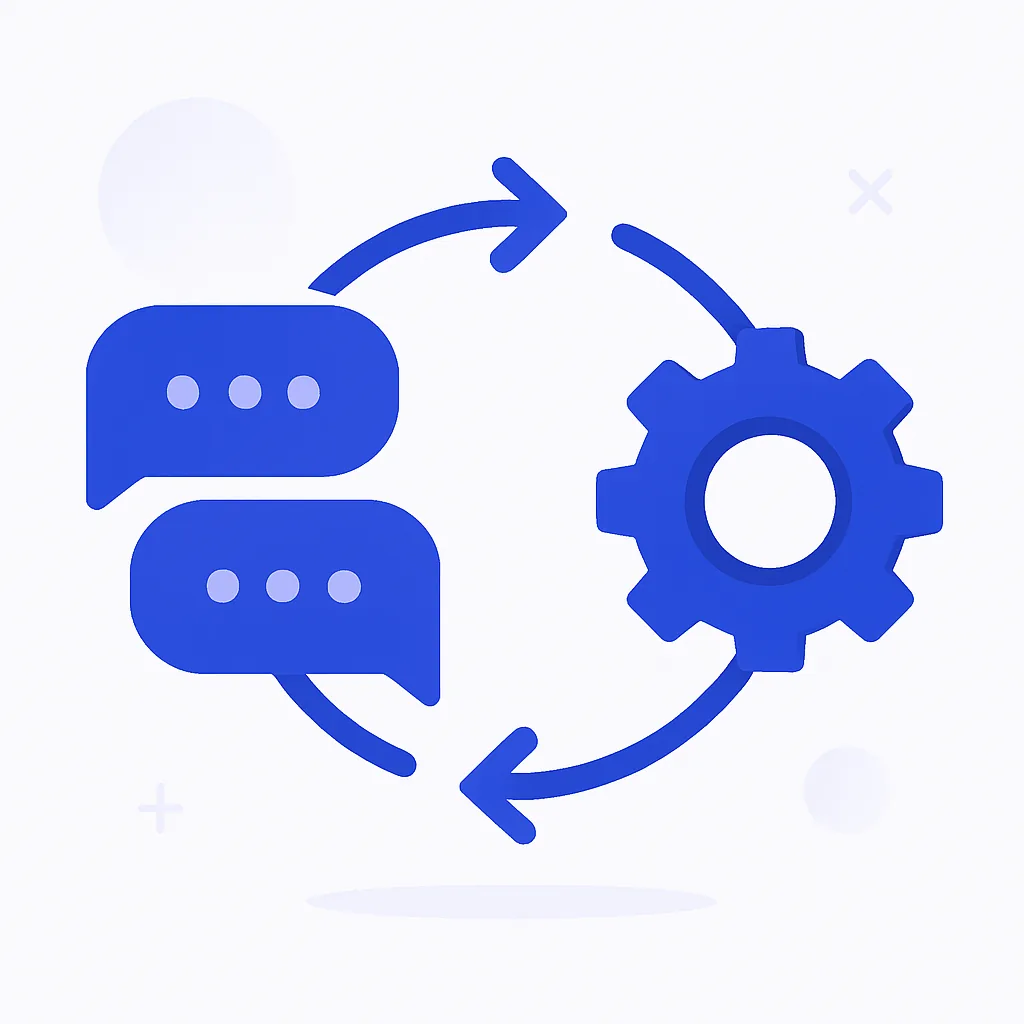
Customer Feedback Loop
What is the Customer Feedback Loop? A customer feedback loop is a systematic process of collecting, analyzing, and acting on customer input to improve your product or service. 👆 By the way, companies that excel at customer feedback loops are 2.5x more likely to have higher customer retention rates . How the Loop Works Collect…
-
Referral Program
What is a Referral Program? A referral program is a systematic way of getting your existing customers to recommend your product or service to others. Think of it as turning your happy customers into your marketing team. 👆 By the way, an interesting fact: Referred customers are 4x more likely to refer others to your…