
Author: Dzmitry Tsemirau
-
Lead Velocity Rate (LVR)
What is Lead Velocity Rate? Lead Velocity Rate (LVR) measures how fast your qualified leads are growing month over month. Think of it like your sales pipeline’s speedometer! 🏎️👆 LVR is considered one of the best predictive metrics for future revenue because it shows growth momentum 3-6 months before it appears in your sales numbers!…
-
Customer Data: The 4 Types, Examples & How to Use It
Customer data is all the information you collect about your customers throughout their journey, who they are, how they behave, what they buy, how they interact, and what they prefer. It falls into four types and is sourced as first, second, third, or zero-party data.…
-
What Is a Loyalty Program? Types, Examples & Benefits
What is a Loyalty Program? A loyalty program rewards customers for repeated business with your company. Think of it as giving your best customers VIP treatment. These programs help: Increase customer retention Boost repeat purchases Gather customer data Create emotional connections Drive referrals naturally 👆 By the way, it costs 5-25x more to acquire a…
-
Market Segmentation
What Is Market Segmentation? Market segmentation is dividing your potential market into distinct groups based on specific characteristics. Market segmentation helps you: Create more targeted products Develop focused marketing messages Set appropriate pricing Choose effective distribution channels Design relevant promotions Identify most profitable segments Allocate marketing budgets efficiently Understand competitive advantages 👆 By the way,…
-
Customer Segmentation
What is Customer Segmentation? Customer segmentation is the process of dividing your customers into groups based on shared characteristics. 👆 By the way, companies that excel at customer segmentation achieve 20% higher customer lifetime value than those that don’t. Just as your customer journey map tracks the path, segmentation helps you understand who’s taking that…
-
Customer Journey Map
What is a Customer Journey Map? A customer journey map is like a road map showing every interaction between your customer and your business. Just as the marketing mix organizes your marketing elements, a journey map organizes your customer touchpoints. Key Components of a Customer Journey Map Customer stages Touchpoints Actions Emotions Pain points 👆…
-

Customer Feedback Loop
What is the Customer Feedback Loop? A customer feedback loop is a systematic process of collecting, analyzing, and acting on customer input to improve your product or service. 👆 By the way, companies that excel at customer feedback loops are 2.5x more likely to have higher customer retention rates . How the Loop Works Collect…
-
Referral Program
What is a Referral Program? A referral program is a systematic way of getting your existing customers to recommend your product or service to others. Think of it as turning your happy customers into your marketing team. 👆 By the way, an interesting fact: Referred customers are 4x more likely to refer others to your…
-

User-Generated Content
What is User-Generated Content? UGC is any content created and shared by users of a brand or platform rather than the brand itself. Think Instagram posts, product reviews, or TikTok videos about your product. 📱 👆 By the way, UGC generates 6.9x higher engagement than brand-created content. Types of User-Generated Content Social Media Content 📱…
-
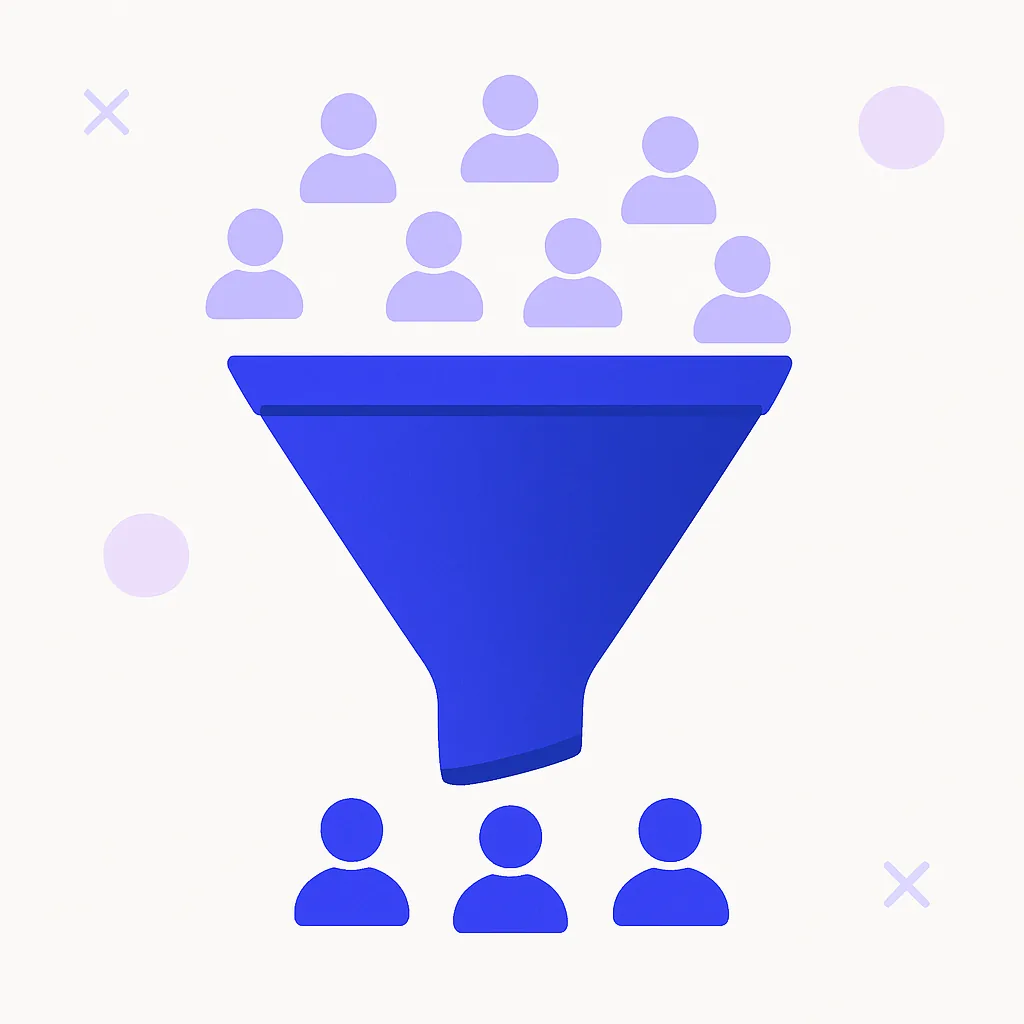
Marketing Funnel
What is a Marketing Funnel? A marketing funnel represents the customer journey from awareness to purchase. Think of it as a path that leads customers from discovering your product to buying it. By the way, E. St. Elmo Lewis developed the first marketing funnel concept in 1898, creating the AIDA model: Attention, Interest, Desire, Action.…
-
Minimum Viable Product (MVP)
What is MVP? An MVP is the simplest version of a product that can test your core business idea with real users. Key elements of MVP: Core functionality only Solves main problem Quick to market Testable with users Cost-efficient 👆 By the way, an interesting fact: The term “MVP” was coined by Frank Robinson in…
-
Economies of Scale: Definition, Types & Examples
What Are Economies of Scale? Economies of scale occur when companies reduce costs per unit as they produce more. 👆 By the way, an interesting fact: Henry Ford revolutionized economies of scale in 1913 with the assembly line, reducing the time to build a car from 12 hours to 2.5 hours. Types of Economies of…