
Author: semen.ssr
-

Negative Churn Rate: Meaning, Formula & Example
A negative churn rate happens when expansion revenue from existing customers (upgrades, add-ons) exceeds the revenue lost to cancellations and downgrades. The result: revenue from your existing base grows even as some customers leave.…
-

Monthly Active Users (MAU): Meaning, Formula & Benchmarks
What is MAU? Simple Definition: Monthly Active Users (MAU) is a metric that counts the number of unique users who engage with a product or service within a 30-day period. Key Points: Counts each user only once, even if they use the product multiple times Typically measured over a calendar month Requires defining what “active”…
-

Deferred Revenue
Deferred Revenue in SaaS Deferred revenue is the amount a SaaS (Software as a Service) company has billed its customers but hasn’t yet counted as actual revenue. SaaS companies don’t recognize all the revenue immediately when they bill a customer. Instead, they spread it out over the duration of the customer contract. It’s like saying,…
-
Churn Rate: What It Is, Formula & How to Calculate
Churn rate is the percentage of customers who stop using your product during a period. The formula is (Lost Customers ÷ Starting Customers) × 100. This page covers how to calculate it correctly: which denominator to use, customer versus revenue churn, the cohort method, and why you compound monthly churn rather than multiplying it by 12.…
-

CAPEX in Software Development: A Guide for SaaS Founders
Picture this: you’ve just spent $200,000 building your SaaS platform’s core features. Your accountant asks whether to capitalize or expense it. You freeze. That single decision will cascade through your balance sheet, tax returns, and investor pitch deck for years. Many early-stage SaaS founders misclassify software development costs,…
-

CAPEX in SaaS Companies
Understanding CAPEX in SaaS SaaS (Software as a Service) companies typically rely less on physical equipment compared to traditional businesses. Instead, their capital expenditures (CAPEX) focus on technology and infrastructure to support their digital offerings. Common Types of CAPEX in SaaS Companies 1. Software Development Costs What It Covers: Creating the core product or major…
-

CapEx (Capital Expenditure): Formula, Examples & How to Calculate
Capital expenditure (CapEx) is money a business spends to acquire or upgrade long-term assets like property, equipment, or software. It appears on the balance sheet and is calculated as PPE end − PPE start + depreciation.…
-

SaaS Bookings: Definition, Types & How to Calculate
Bookings in SaaS Bookings in a SaaS (Software as a Service) business are the total value of all customer contracts signed or orders received in a specific period, no matter when the money from those deals will be collected. SaaS Bookings Example Imagine a SaaS company signs a 3-year contract with a customer for $1,000…
-

MAU vs DAU vs WAU: Active User Metrics Explained
Monthly Active Users (MAU): The Basics What is MAU? Monthly Active Users (MAU) is a critical business metric that tracks unique users who meaningfully interact with your product over a 30-day period . Example: If 1,000 people log into your app in May, but 100 of them do it twice, your MAU is 1,000 ,…
-
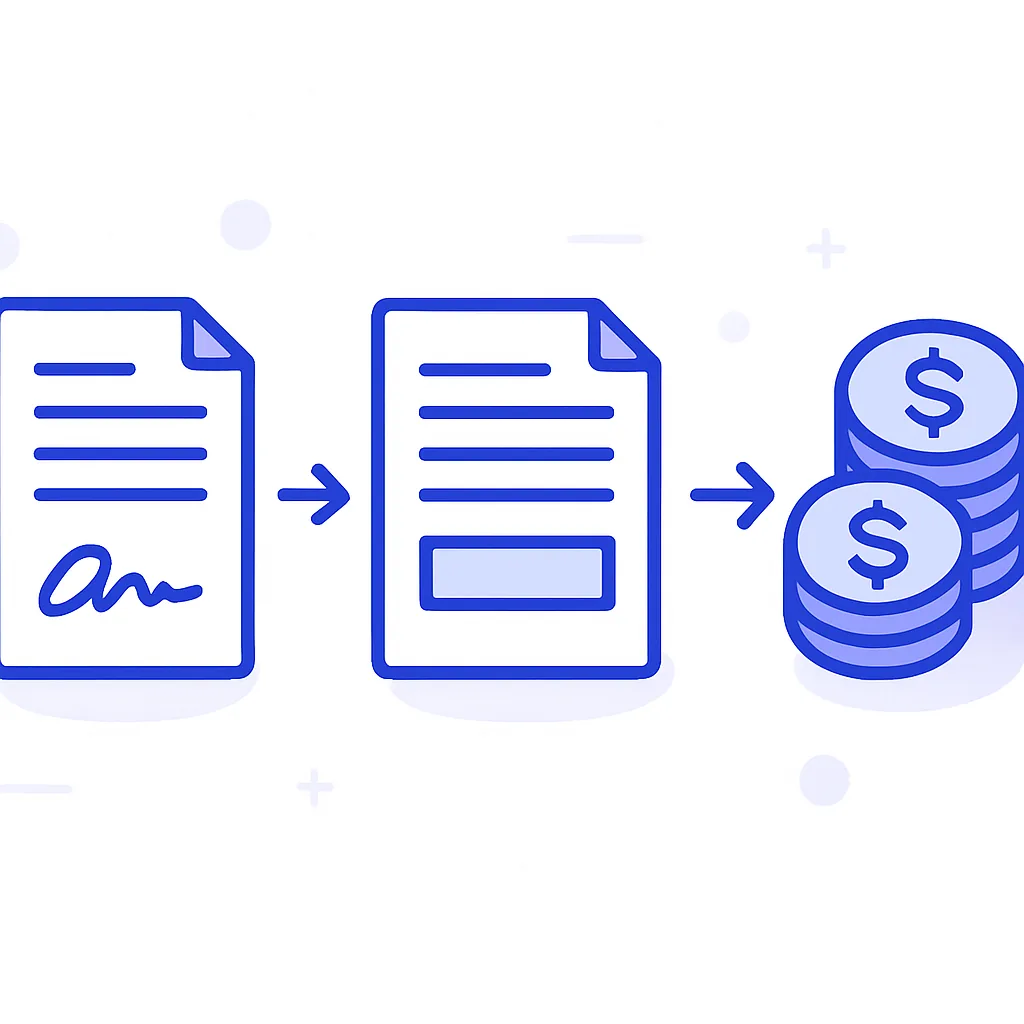
SaaS Bookings vs Billings vs Revenue: Everything You Should Know
What are Bookings in SaaS? Bookings in a SaaS (Software as a Service) biz is basically the total cash value of all the customer contracts we’ve signed up or orders we get in a certain period, no matter when we’ll actually see the revenue from those deals. SaaS Bookings example Imagine a SaaS company lands…
-

SaaS Business Model: Easy to Understand Guide
Getting to Know the SaaS Business Models What is a SaaS business model? The SaaS (Software as a Service) business is all about delivering software applications online instead of dealing with physical copies or local setups. Customers don’t buy a one-time software license; they subscribe to use the software regularly, usually with monthly or yearly…
-

SaaS Churn & Retention: Benchmarks, Formulas & How to Reduce Churn
Key Takeaways The churn rate shows the share of customers who stop using a company’s product or service in a certain period. High churn rates can lead to less revenue , higher costs to get new customers , and limits on growth. Low churn rates mean good customer loyalty and a solid business model. Different…