

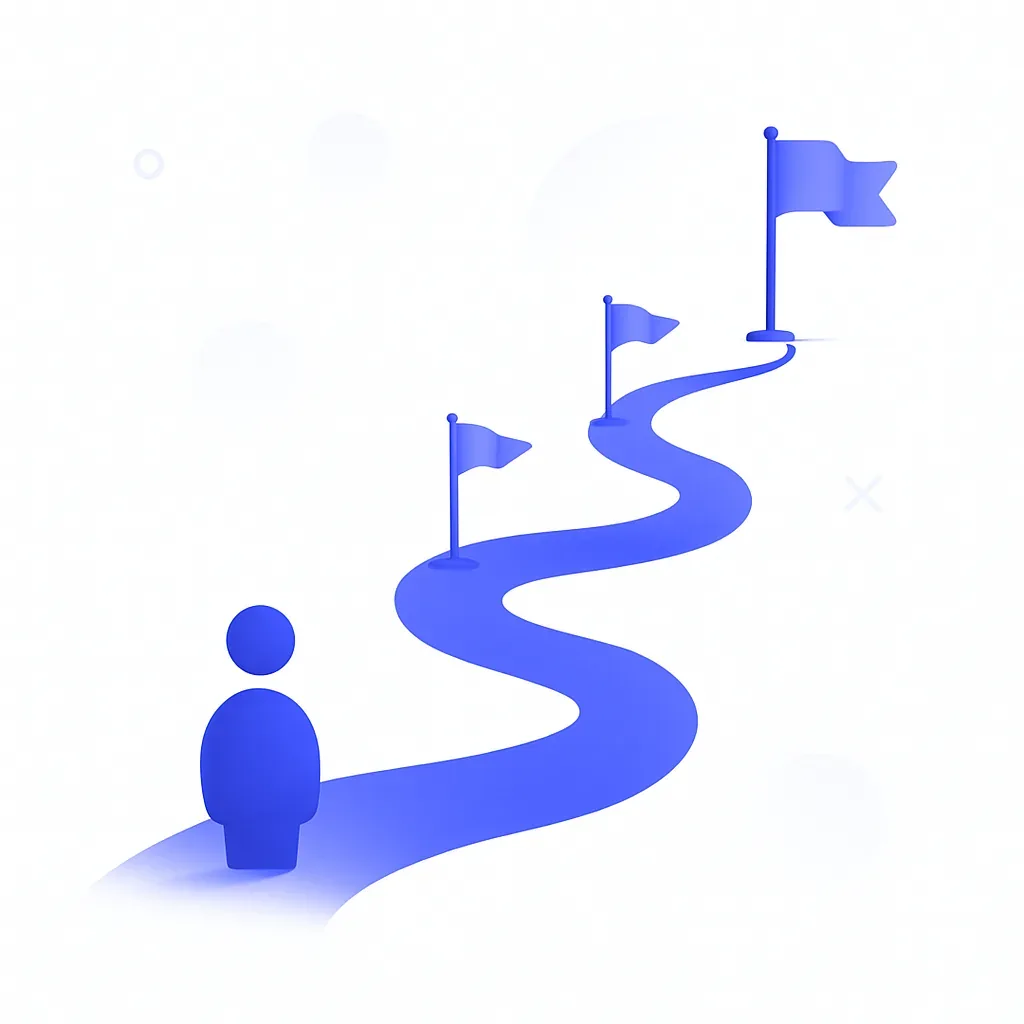
Customer onboarding is the process of guiding new customers to their first "wow" moment with your product, from welcome and setup through education to their first real success. Done well, it reduces churn, speeds up time to value, and turns new sign-ups into long-term customers.
What Is Customer Onboarding?
Customer onboarding is the process of familiarizing new customers with your product or service and helping them achieve their first “wow” moment. Think of it as teaching someone to ride a bike – you guide them until they can pedal confidently on their own.
Fun Fact: The term “onboarding” originated in HR for integrating new employees, but companies soon realized it worked perfectly for customers too!
Why Is Customer Onboarding Important?
1. Reduces Churn 🔄
- Well-onboarded customers are less likely to leave.
- Helps customers see value faster and stick around longer.
2. Boosts Revenue 💰
- Onboarded customers often upgrade to premium features.
- They are more likely to refer others to your product.
3. Saves Resources ⚡
- Reduces support tickets from confused users.
- Lowers customer service costs.
4. Builds Trust 🤝
- Shows customers you care about their success.
- Sets the tone for a long-term relationship.
Key Stakeholders in the Onboarding Process
Internal Stakeholders 🏢
- Customer Success Teams: Your frontline heroes.
- Product Teams: The builders of the product.
- Marketing Teams: Creators of helpful guides.
- Sales Teams: Setting proper expectations.
- Technical Support: Ready to assist when needed.
External Stakeholders 🌍
- New customers
- End users (might differ from the buyer)
- Integration partners
- Third-party service providers
Typical Customer Onboarding Process
While onboarding processes vary by business, here’s a typical flow:
| Phase | Goal |
|---|---|
| 1. Welcome 👋 | Account setup, first login, collect key info |
| 2. Setup ⚙️ | Configure the product, integrate tools, activate features |
| 3. Education 📚 | Tutorials, demos, best practices |
| 4. Value achievement ✨ | Reach the first success milestone, gather feedback |
Welcome Phase 👋
- Send a welcome email or message.
- Assist with account creation.
- Provide initial login guidance.
- Collect essential customer information.
Setup Phase ⚙️
- Help configure the product or service.
- Integrate with existing tools.
- Provide customization options.
- Activate basic features.
Education Phase 📚
- Offer tutorials and demos.
- Share helpful resources (guides, videos, FAQs).
- Introduce best practices and use cases.
Value Achievement Phase ✨
- Help customers reach their first success milestone.
- Check in regularly and track progress.
- Gather feedback to refine the process.
Pro Tip: The best onboarding processes are flexible. Some customers may want to sprint through setup, while others prefer a slower, guided approach. Adapt to their preferences for maximum success.
Customer Onboarding FAQ
What is customer onboarding?
The process of guiding new customers from sign-up to their first real success with your product, welcome, setup, education, and value achievement, so they stick around.
Why is customer onboarding important?
It directly reduces churn, accelerates time to value, lowers support costs, and increases the odds customers upgrade and refer others.
What are the stages of customer onboarding?
Typically four: welcome (setup and first login), setup (configuration and integrations), education (tutorials and best practices), and value achievement (first success milestone).
How do you measure onboarding success?
Track time to first value, activation rate, early feature adoption, and the churn rate of recently onboarded customers versus those who skipped onboarding.