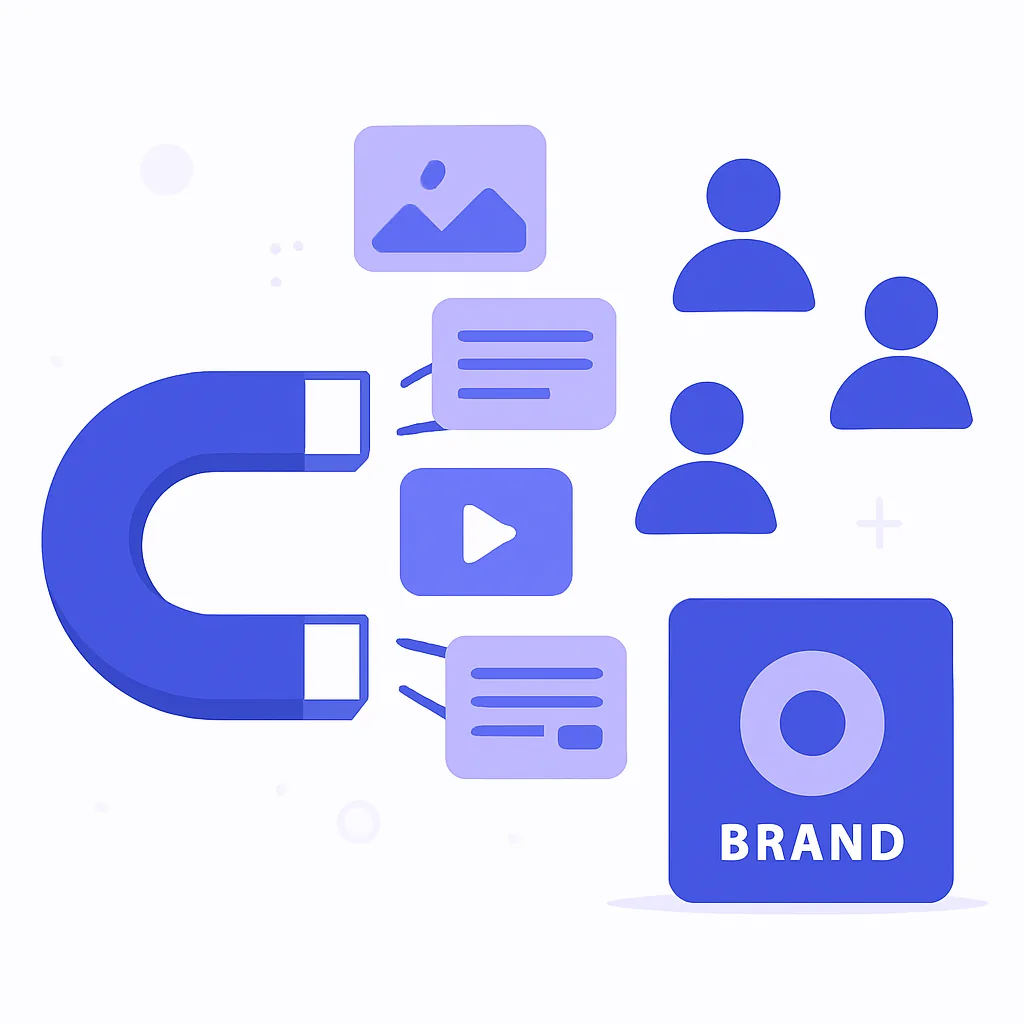
Inbound marketing attracts customers by creating valuable content and experiences tailored to them, instead of interrupting people with ads, you help them find you. It works in four stages (attract, convert, close, delight) and compounds over time for a lower cost per lead than outbound.
What is Inbound Marketing?
Simple Definition:
Inbound marketing is a strategy that attracts customers by creating valuable content and experiences tailored to them. Instead of interrupting people with your message, you help them find you when they need you.
Inbound vs. Outbound Marketing
Outbound Marketing (Traditional)
- TV commercials
- Cold calling
- Print ads
- Billboard advertising
- Unsolicited emails
Inbound Marketing (Modern)
- Blog posts
- Helpful videos
- Social media content
- Podcasts
- Educational webinars
Why Inbound Marketing Works
- Matches Modern Buying Behavior
- People research online before buying
- Buyers want to feel informed
- Trust comes from helpfulness
- Information is readily available
- Cost-Effective
- Lower cost per lead
- Content keeps working over time
- Builds lasting relationships
- Compounds with time
- Builds Trust
- Helps before selling
- Establishes expertise
- Creates relationships
- Provides real value
The Four Stages of Inbound Marketing
1. Attract
Goal: Get the right people’s attention
- Blog posts
- SEO
- Social media content
- Valuable free content
2. Convert
Goal: Turn visitors into leads
- Newsletter signups
- Free downloads
- Webinar registration
- Contact forms
3. Close
Goal: Turn leads into customers
- Email nurturing
- Demos and trials
- Consultations
- Targeted content
4. Delight
Goal: Turn customers into promoters
- Excellent support
- Helpful resources
- Community building
- Loyalty programs
Key Components of Inbound Marketing
1. Content Marketing
Types of Content:
- Blog posts
- Videos
- Podcasts
- Infographics
- Ebooks
- Case studies
Best Practices:
- Focus on quality
- Solve real problems
- Be consistent
- Stay relevant
2. SEO (Search Engine Optimization)
Key Elements:
- Keyword research
- Quality content
- Technical optimization
- Link building
3. Social Media
Strategies:
- Share valuable content
- Engage with audience
- Build community
- Provide support
4. Email Marketing
Approaches:
- Welcome sequences
- Educational content
- Personalized offers
- Regular newsletters
Creating an Inbound Marketing Strategy
1. Know Your Audience
- Create buyer personas
- Understand pain points
- Map customer journey
- Research preferences
2. Set Clear Goals
- Traffic targets
- Lead generation goals
- Conversion rates
- Revenue objectives
3. Plan Your Content
- Content calendar
- Topic clusters
- Content types
- Distribution channels
4. Measure Results
- Track metrics
- Analyze performance
- Adjust strategy
- Test and improve
Measuring Success
Key Metrics
Traffic Metrics
- Website visitors
- Page views
- Time on site
- Bounce rate
Conversion Metrics
- Lead generation
- Conversion rates
- Email signups
- Downloads
Engagement Metrics
- Social shares
- Comments
- Email opens
- Click-through rates
Inbound Marketing FAQ
What is inbound marketing?
A strategy that attracts customers by creating helpful content (blogs, videos, SEO, social) so they find you when they need you, rather than interrupting them with ads.
What are the four stages of inbound marketing?
Attract (get the right people's attention), Convert (turn visitors into leads), Close (turn leads into customers), and Delight (turn customers into promoters).
How is inbound different from outbound marketing?
Outbound pushes messages out (TV, cold calls, ads); inbound pulls people in with valuable content. Inbound usually has a lower cost per lead and compounds over time.
How do you measure inbound marketing success?
Track traffic (visitors, page views, bounce rate), conversion (leads, signups, conversion rate), and engagement (shares, email opens, click-through rates).